After an enthusiastic response to our Contemporary Greek Cinema season in 2025, The Garden Cinema is delighted to announce an ongoing Greek cinema strand. Each screening will explore gems of Greek cinema – tossing together classics, festival favourites, and directors’ spotlights alike.
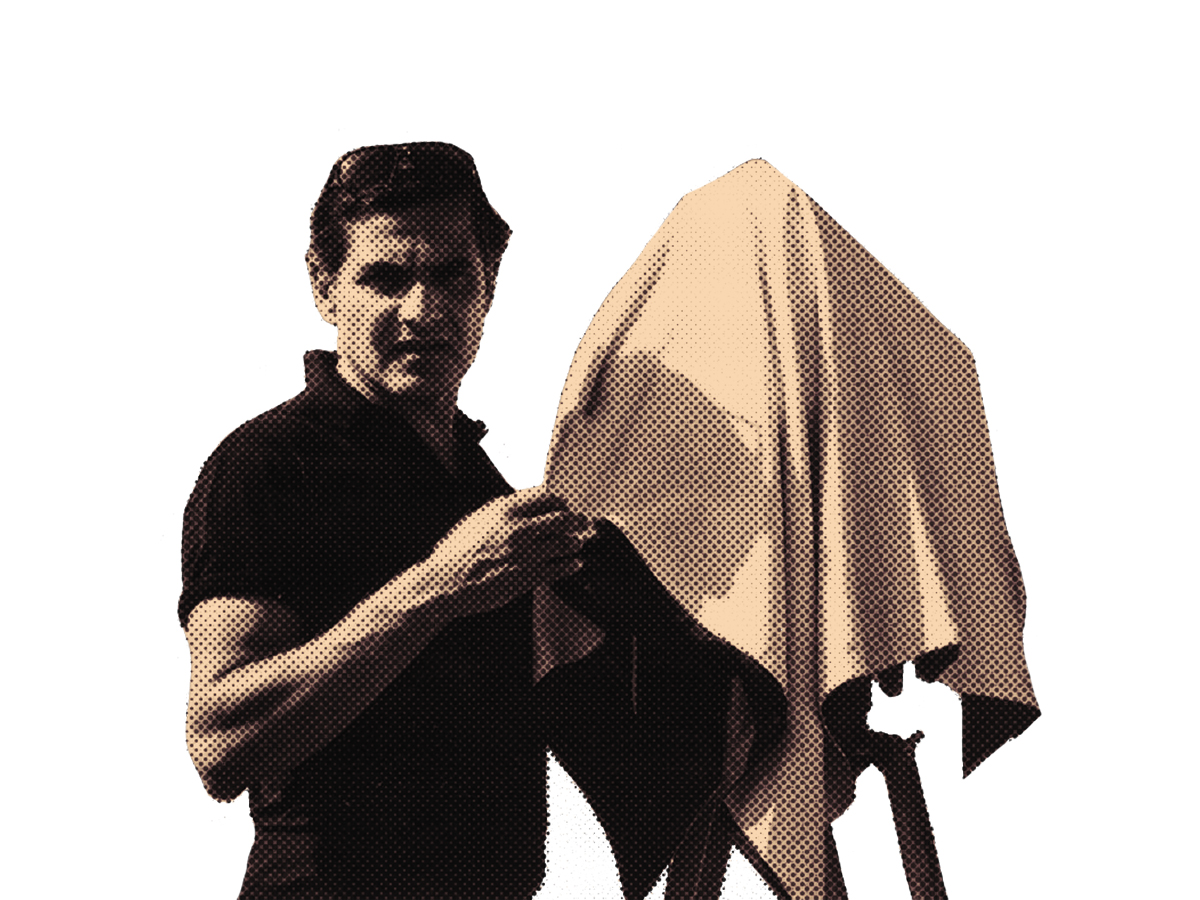
We begin with a spotlight on Nico Papatakis, a Greek-Ethiopian director whose films have been marginalised due to their subversive and politically charged content. Thankfully, in recent years, Criterion Collection re-issues, Cinema Ritrovato screenings, and Yiorgos Lanthimos’ vocal admiration has led to a surge in interest.
Papatakis’ work renounces oppression in all its forms: the relationships between masters and slaves, as well as executioners and victims – focusing on questions of domination, humiliation and revolt. Inspired by ancient Greek tragedies, his films are expressionistic and unapologetically excessive.
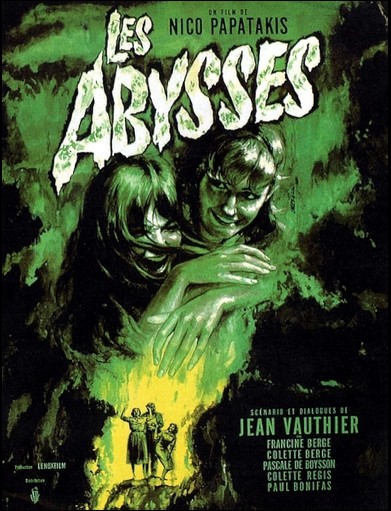
His debut film, Les Abysses (1963), based on Jean Genet’s play The Maids, is a paroxysmic class war between servants and their employers and a parable for Algeria’s struggle for independence from France. Initially boycotted at Cannes, it was only permitted to screen after Jean-Paul Sartre, Simone de Beauvoir, Genet, and Jacques Prévert published fiery articles in its defence.
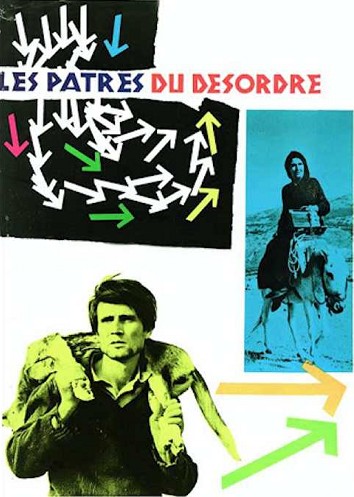
The Shepherds of Calamity (1967), his masterpiece, was shot in rural Greece just before and during the military coup d’état and was indirectly critical. Hailed by Claude Lévi-Strauss as a great ethnological film, it follows a conservative community’s descent into riotous disorder after two young members refuse to abide by the established marital rules.
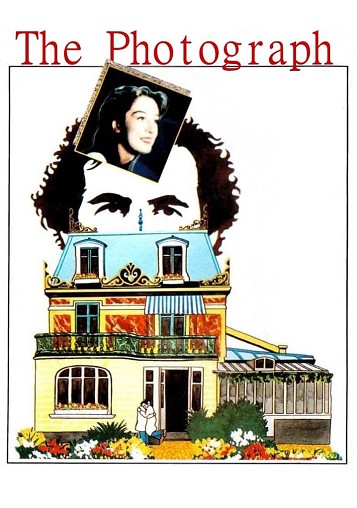
Drawing from his difficult childhood in Ethiopia where he faced discrimination due to his mixed-race heritage, The Photograph (1986) is Papatakis’ most personal and sensitive film. Uncharacteristically realistic in style, it highlights the hardships and humiliation of migration, ostracisation, and illiteracy.
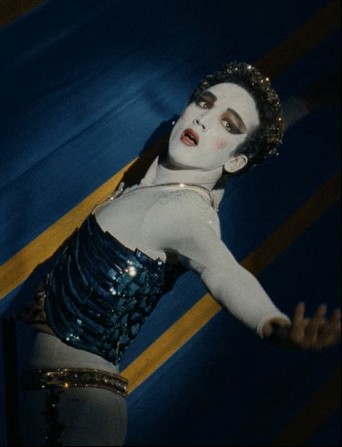
Walking a Tightrope (1991), starring Michel Piccoli as Papatakis’ longtime friend Jean Genet, closes this mini-tribute.This melancholy queer melodrama revisits Papatakis’ enduring preoccupations with class and race dynamics, albeit in a more subdued and mature register.
Biography: Born in Addis Ababa to a Greek father and an Ethiopian mother, Nikos Papatakis fought against Mussolini’s invasion at 17. After Ethiopia’s defeat, he settled in Paris, owning the legendary nightclub La Rose Rouge and befriending Jean-Paul Sartre, Jean Genet, and Simone de Beauvoir. Active in the FLN during the Algerian War, he left for New York in 1957, disillusioned with France, where he co-produced Cassavetes’ Shadows (1959). He later married Greek actress Olga Karlatos, his on-screen collaborator and fellow anti-junta campaigner. His first wife was Anouk Aimée; he also had a relationship with Christa Päffgen, who borrowed his surname to become Nico of The Velvet Underground.
The film strand is held under the auspices of the Embassy of Greece in London.

evDoron is the in kind sponsor of the film strand.