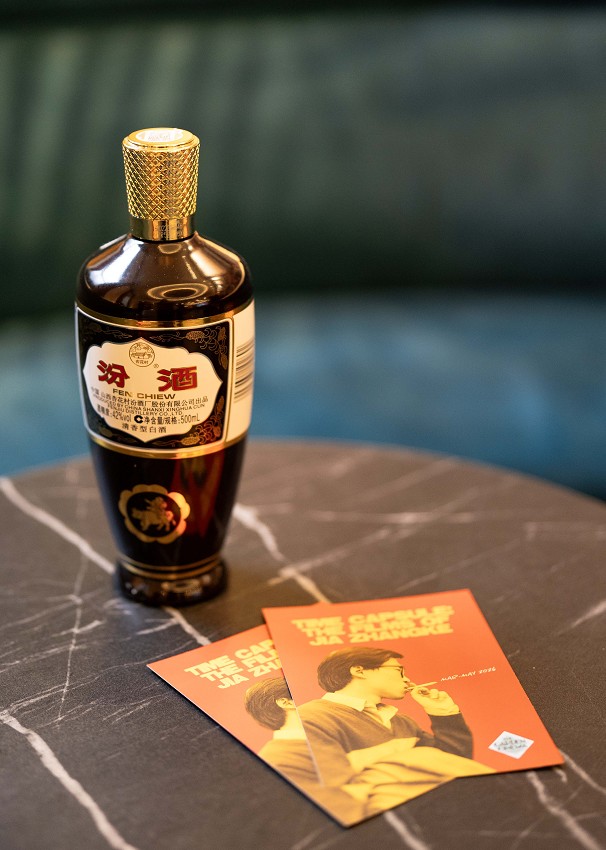
The Garden Cinema presents the UK’s first-ever comprehensive retrospective dedicated to one of the best and most important auteurs in the world – Jia Zhangke. Over eight weeks, the retrospective situates Jia’s films as a cinematic time capsule: an accumulation of images, sounds, and gestures that register time, note social change, and preserve disappearing ways of life in modern China.
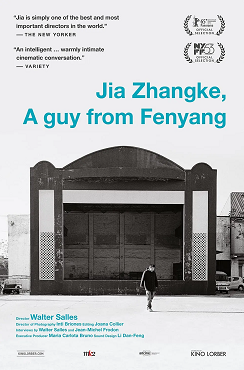
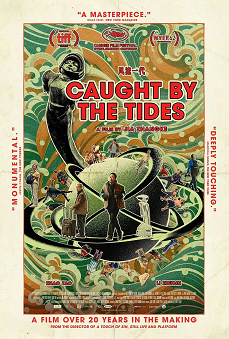
The season is prompted by Jia’s latest feature, Caught by the Tides (2024), a work that weaves together footage, and unused scenes from his earlier films. Reworking the past through the present, the film invites a renewed understanding of Jia’s cinema as a continuous and evolving project. In response, this retrospective presents all 15 of his feature-length works spanning three decades, as well as Jia Zhangke, A Guy from Fenyang (2014), an essential documentary portrait directed by Brazilian filmmaker Walter Salles.
Emerging in the 1990s as a leading figure of China’s Sixth Generation, Jia developed a filmmaking practice distinct from the epic historical narratives associated with the Fifth Generation. Inspired to become a director after encountering Chen Kaige’s Yellow Earth (1984), he turned instead toward marginal lives, small towns, and transient spaces. A devoted cinephile shaped by world cinema and popular culture, Jia frequently incorporates cinematic references, particularly to Hong Kong action and wuxia films, within an observational, socially grounded realism.
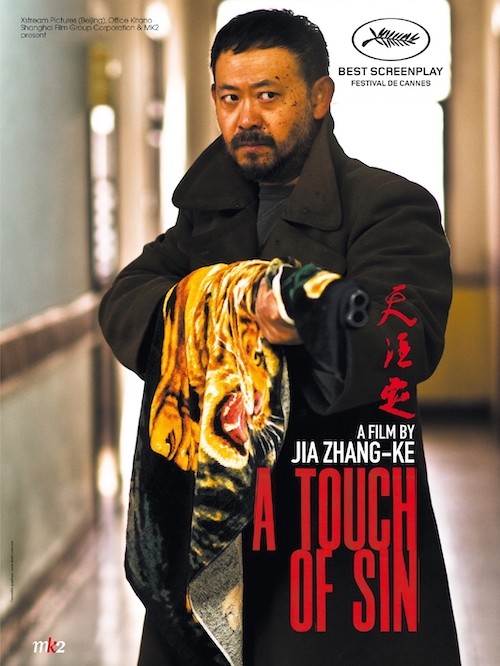
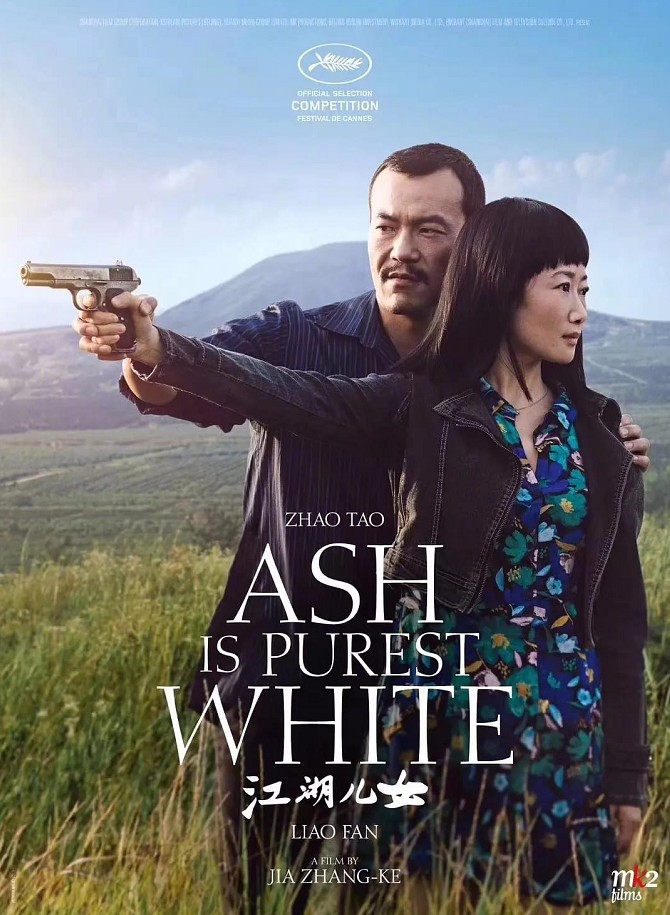
The season opens with Ash Is Purest White (2018), Jia’s only explicit gangster film, which foregrounds the concept of jianghu (aka the underworld): an informal moral world defined by loyalty, obligation and survival. A related engagement with violence and fate is found in A Touch of Sin (2013), whose English title pays homage to King Hu’s A Touch of Zen (1971), refracting wuxia traditions through contemporary social realities.
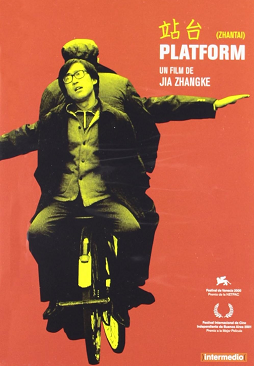
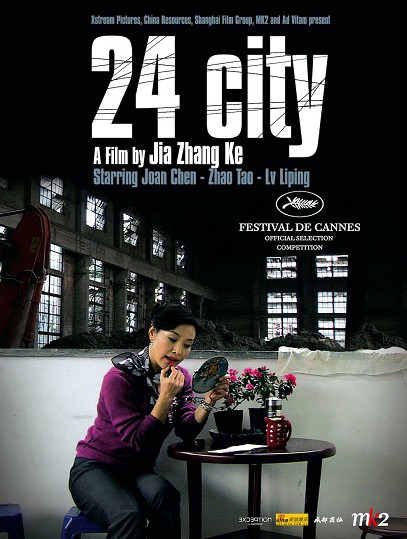
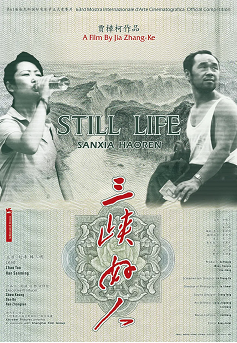
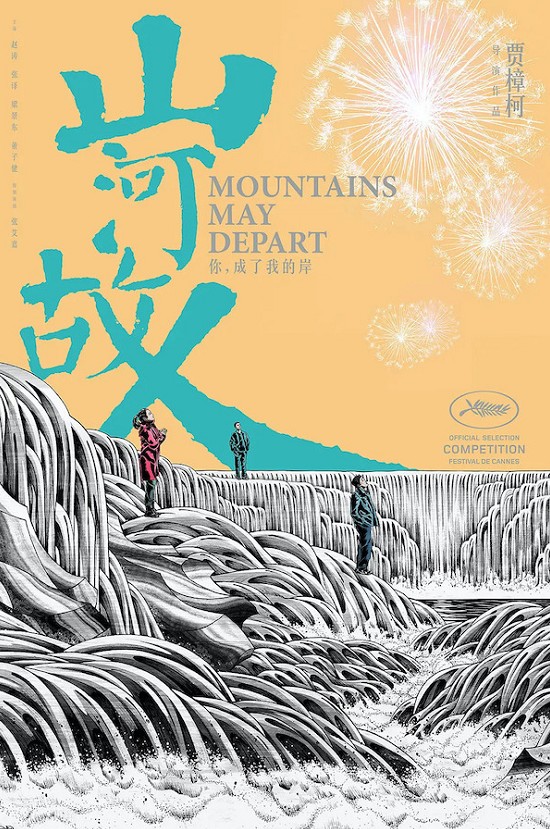
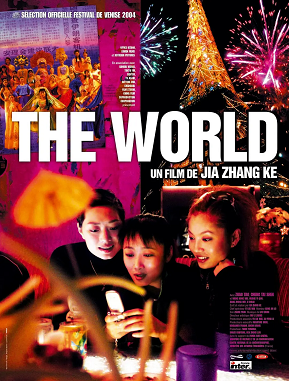
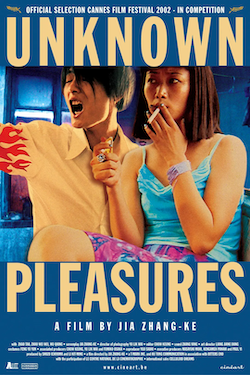
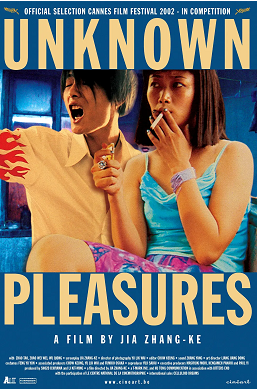
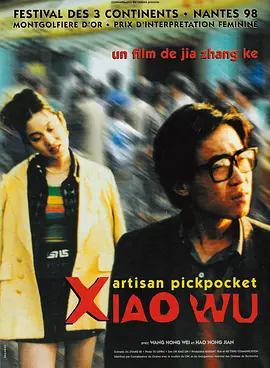
The programme then unfolds largely in a chronological order, beginning with Jia’s acclaimed ‘Hometown Trilogy’: Platform (2000), Xiao Wu (1997), and Unknown Pleasures (2002), all shot in his native Shanxi province. The second screening of Unknown Pleasures will be accompanied by a special dress-up karaoke event. Platform also marks the beginning of the career-long collaboration with his muse Zhao Tao, who has since appeared in all his fictional features. Rooted in his own lived experiences, these early films establish everyday life as a site of historical meaning for Jia. They are followed by The World (2004), his first officially approved and theatrically released film, and Still Life (2006), a landmark meditation on displacement and development during China’s rapid transformation which won the Golden Lion at Venice. Questions of time, memory, and space continue in 24 City (2008) and Mountains May Depart (2015), with the latter suffused with an acute sense of nostalgia.
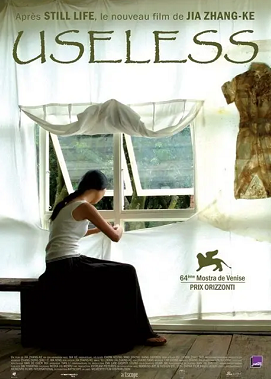
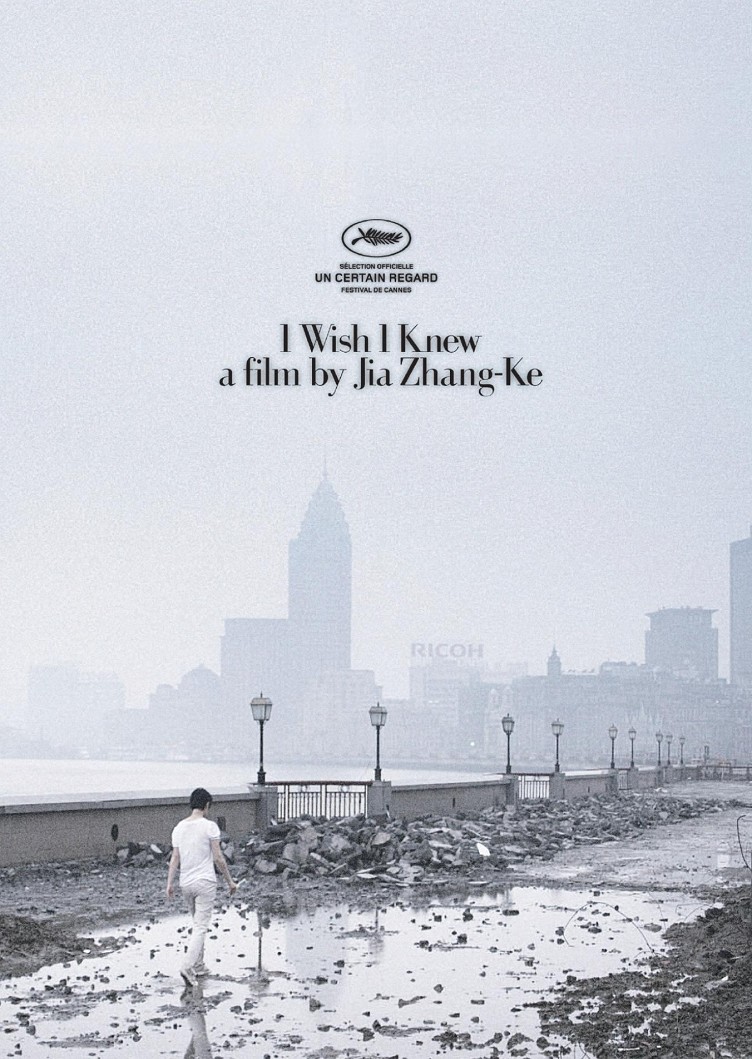
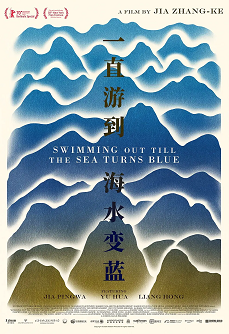
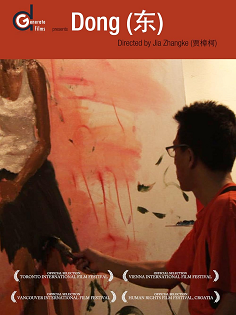
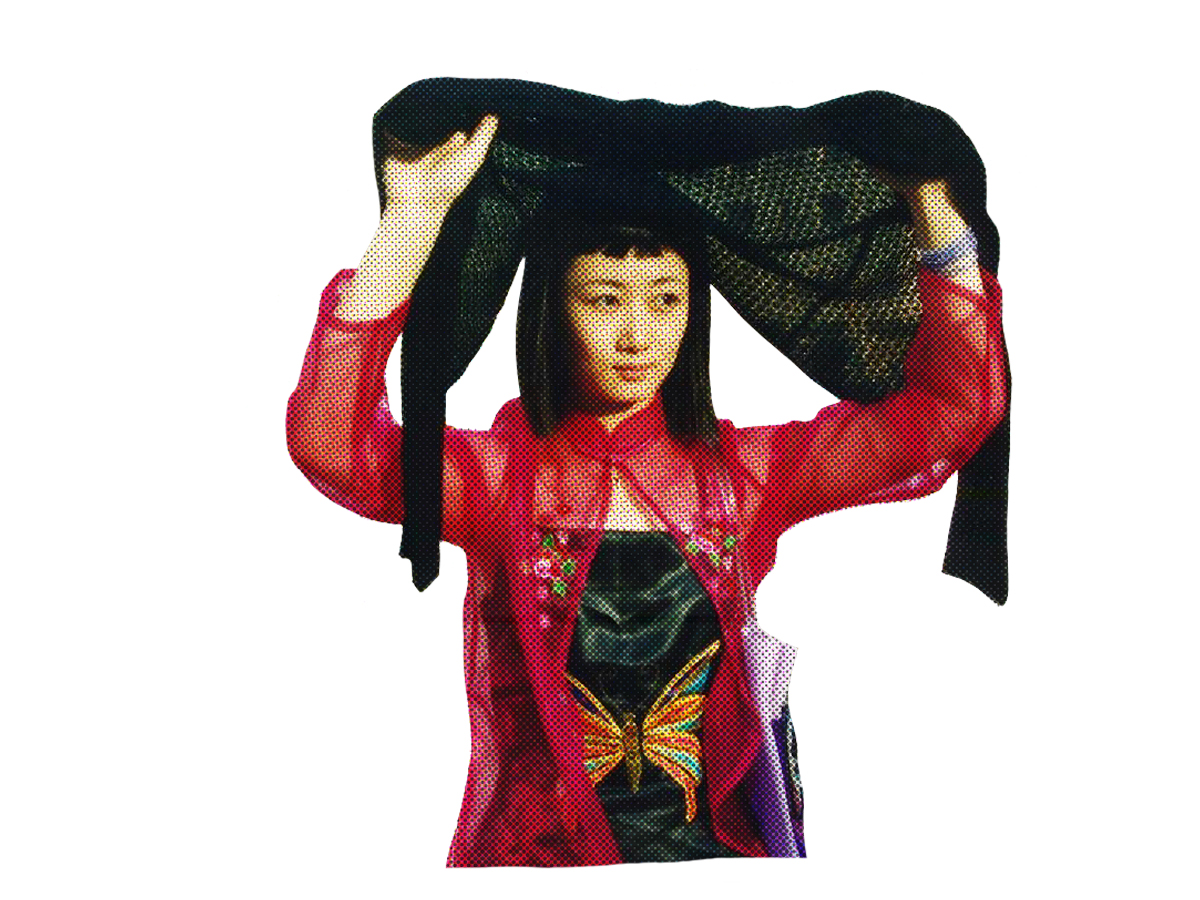
Still Life emerged alongside the documentary Dong (2006), initiating Jia’s sustained engagement with non-fiction. The season traces this trajectory through his documentary trilogy on Chinese artists: Dong’s study of the painter Liu Xiaodong, Useless (2007), which is anchored by fashion designer Ma Ke, and the portrayal of modern Chinese authors in Swimming Out till the Sea Turns Blue (2020) – with I Wish I Knew (2010) standing apart as a vivid city portrait of Shanghai.
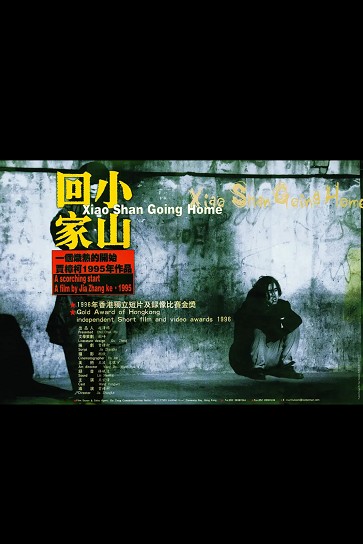
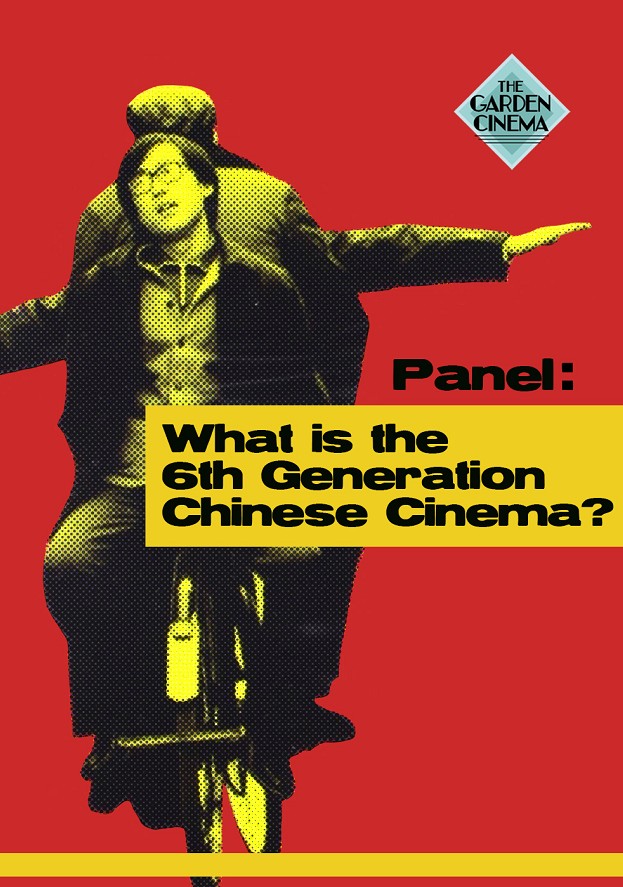
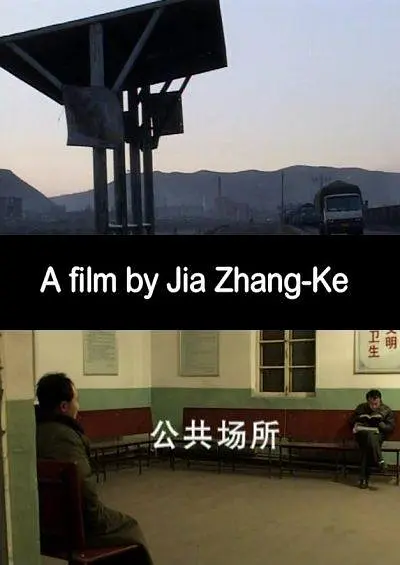
Also included is the early work, Xiao Shan Going Home (1995), that launched Jia’s career. This screening will be followed by a post-screening Q&A with his long-time collaborator Wang Hongwei, who also starred in Xiao Wu. Additionally, a panel discussion will bring together scholars and curators working closely with Chinese cinema to explore the Sixth Generation as both a historical moment and a critical category. Throughout the retrospective, each title will be introduced by invited experts offering multiple entry points into a body of work that continues to shape how contemporary China is seen and remembered.