Following last year’s Hong Kong New Wave 1979–1989 season, The Garden Cinema broadens its focus to the wider Golden Age of Hong Kong cinema, a remarkable era spanning the late 1970s through to the 1990s when the territory emerged as one of the world’s most prolific, dynamic, and influential filmmaking centres.
At its peak, Hong Kong was producing hundreds of features a year and ranked as the world’s second-largest exporter of films after Hollywood. Yet the Golden Age was defined by far more than industrial scale; it was a period in which auteur diversity, star power, genre innovation, and international circulation reached unprecedented heights.
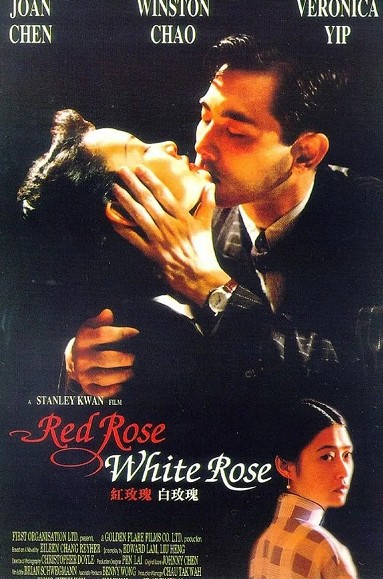
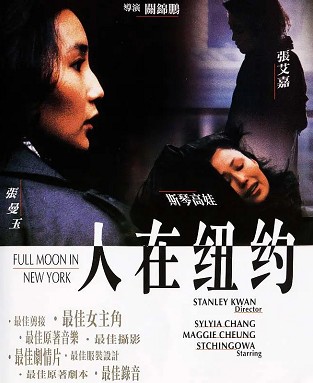
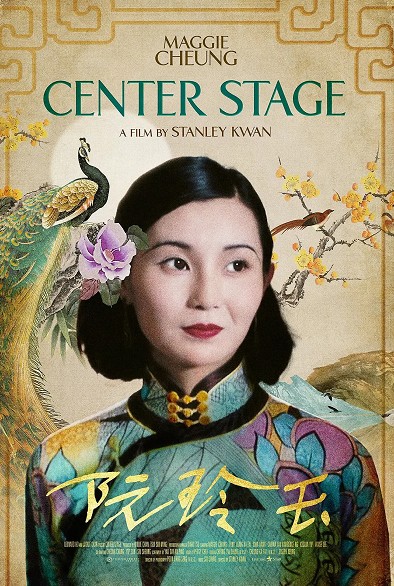
Among the era’s most celebrated auteurs is Stanley Kwan, who will appear in person as the season’s guest of honour. His deeply humanistic films are renowned for their nuanced portrayals of women and their sensitivity to questions of identity, memory, and desire. The programme includes Kwan’s Center Stage (1991), which earned Maggie Cheung the Best Actress award at Berlinale, Red Rose White Rose (1994), adapted from Eileen Chang’s classic novel, and Full Moon in New York (1989), a moving story of migration and displacement set in New York City. Kwan will join post-screening Q&As for the latter two films, while a free masterclass on his life and work, presented in partnership with King’s College London, will take place on 26 August.
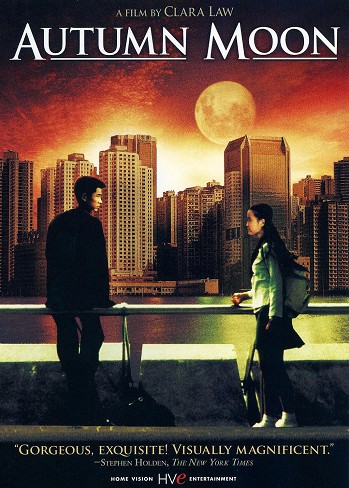
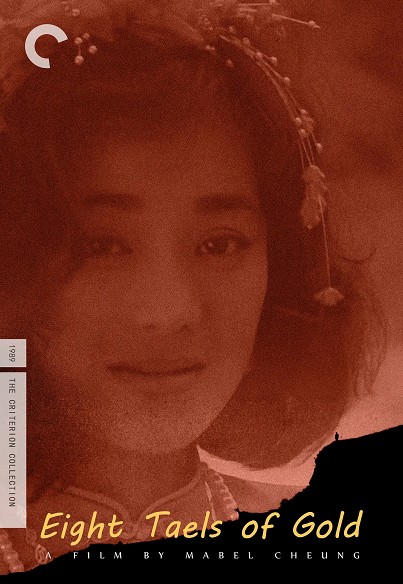
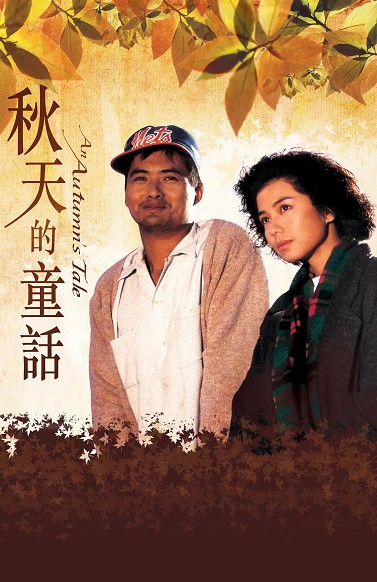
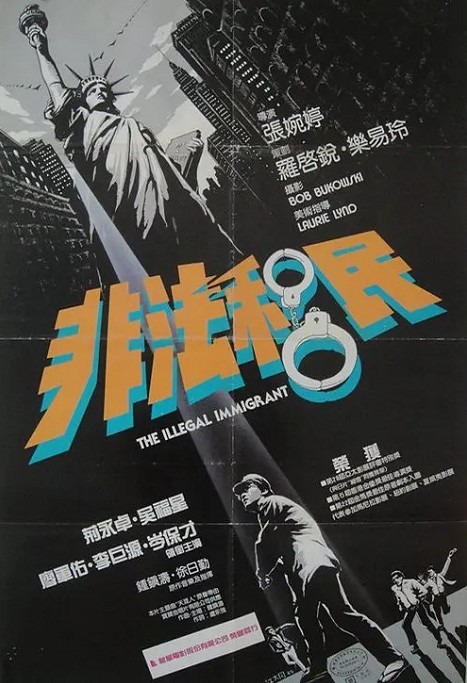
As waves of emigration reshaped Hong Kong society in the 1980s and 1990s many filmmakers explored this theme, such as Clara Law with Autumn Moon (1992) and Mabel Cheung whose landmark ‘Migration Trilogy’ traces journeys from departure in The Illegal Immigrant (1985), through settlement in An Autumn’s Tale (1987), to eventual return in Eight Taels of Gold (1989). Together with Ann Hui, Law and Cheung are widely regarded as the three most important female directors in Hong Kong cinema, and we’re excited to welcome Cheung for an online Q&A following The Illegal Immigrant on 8 August.
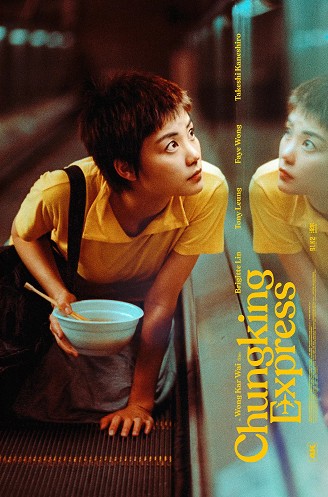
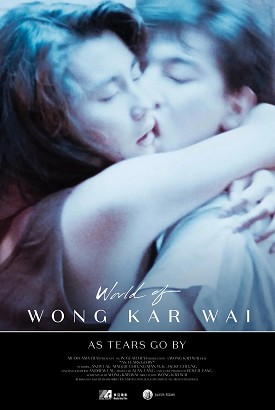
The season opens with a members’ party and screening of Wong Kar-wai’s dreamlike Chungking Express (1994) – details about this can be found further below – and the programme later revisits his debut feature As Tears Go By (1988), where many of his stylistic signatures first emerged.
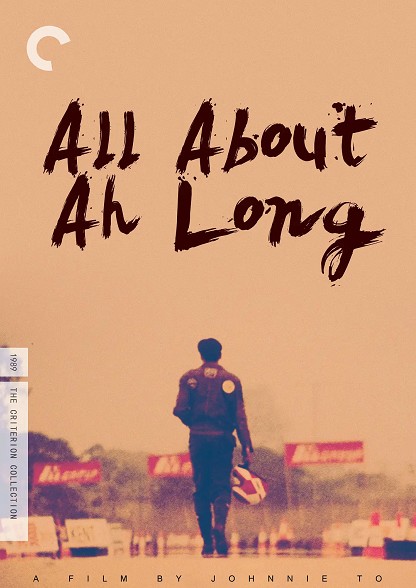
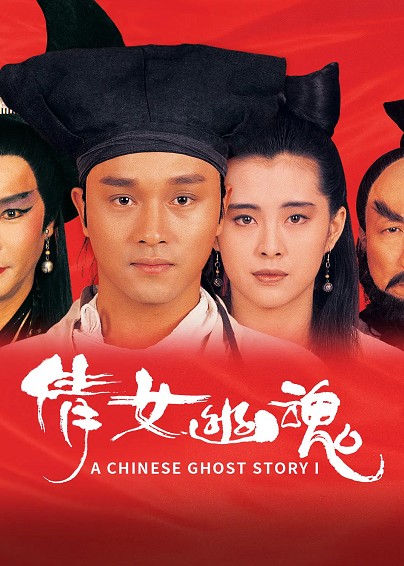
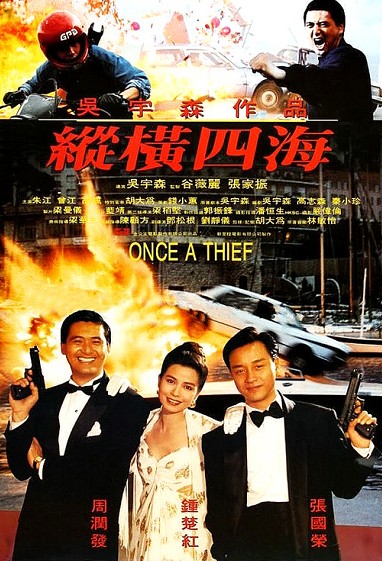
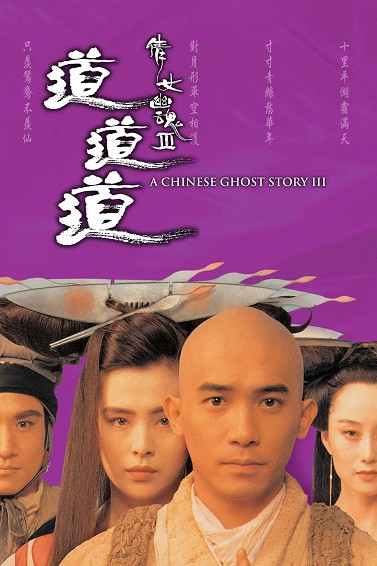
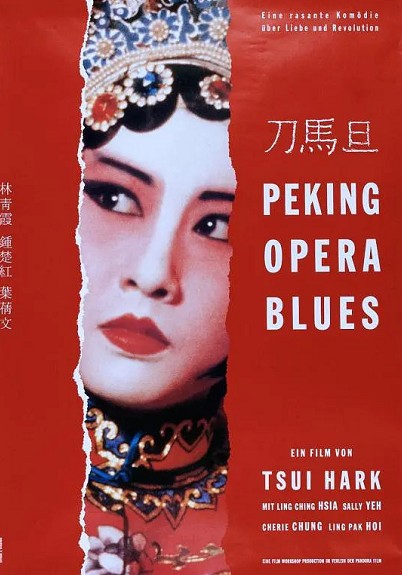
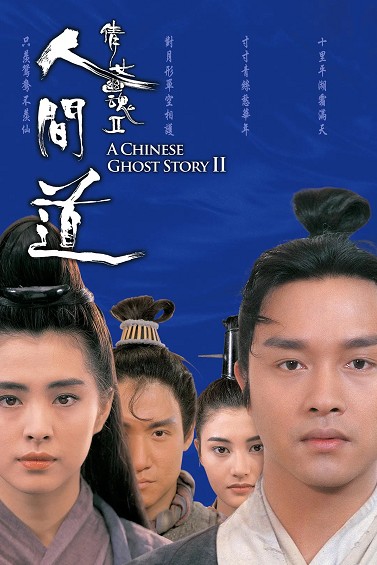
We are also celebrating the commercial vitality and creative ambition that defined the era with John Woo’s genre-blending hit Once a Thief (1991), Johnnie To’s tender All About Ah-Long (1989), Tsui Hark’s exuberant Peking Opera Blues (1986), and the enormously influential A Chinese Ghost Story (1987), which combined fantasy and the supernatural with martial arts. Featuring legends such as Chow Yun-fat, Leslie Cheung, Tony Leung, Maggie Cheung, Sally Yeh, Cherie Chung, and Jacky Cheung, these films capture a moment when Hong Kong cinema dazzled audiences with extraordinary inventiveness and visual flair.
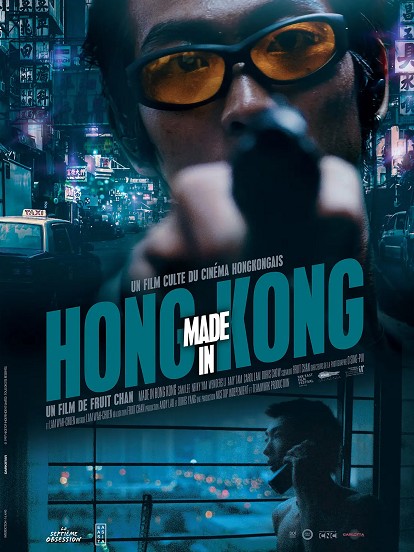
Although the industry entered a period of decline in the 1990s due to economic recession, Hollywood competition, digital piracy, and changing production models related to the 1997 handover, Hong Kong’s film scene has retained much of its distinctive identity and continues to occupy a vital place in world cinema. Looking back today, these films evoke not only admiration for a period of extraordinary artistic vibrancy and commercial confidence, but also a sense of nostalgia for a city and a culture in the flux of profound changes. The season concludes with the stunning restoration of Fruit Chan’s Made in Hong Kong (1997), whose melancholic atmosphere serves as a reminder of a transformative era, which left a lasting cinematic legacy.
The season is supported by the Hong Kong Economic Trade Office, London. All screenings feature English subtitles.