Throughout September and October, in collaboration with the Czech Centre London and as part of the 30th Made in Prague Festival, we present masterpieces from the Czechoslovak New Wave.
Of all the cinematic movements that swept the globe in the aftermath of the Second World War, the Czechoslovak New Wave stands out as one of the most politically focused and creatively integrated of them all. From the early 1960s to the aftermath of the Prague Spring in 1968, a group of filmmakers, who trained at the Film and TV School of the Academy of Performing Arts (FAMU) and worked out of the state-owned Barrandov studios in Prague, created a series of films which, to this day, are remarkable in their thematic complexity, daring satire, and dazzling formal experimentation.
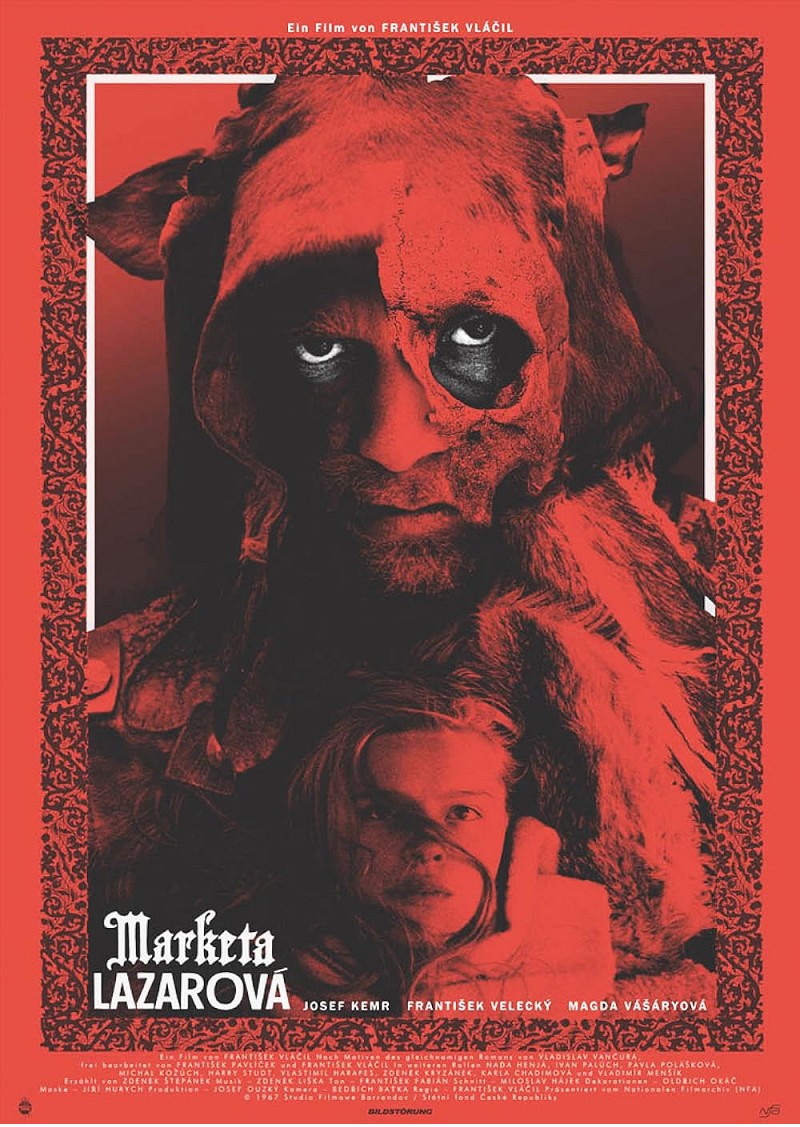
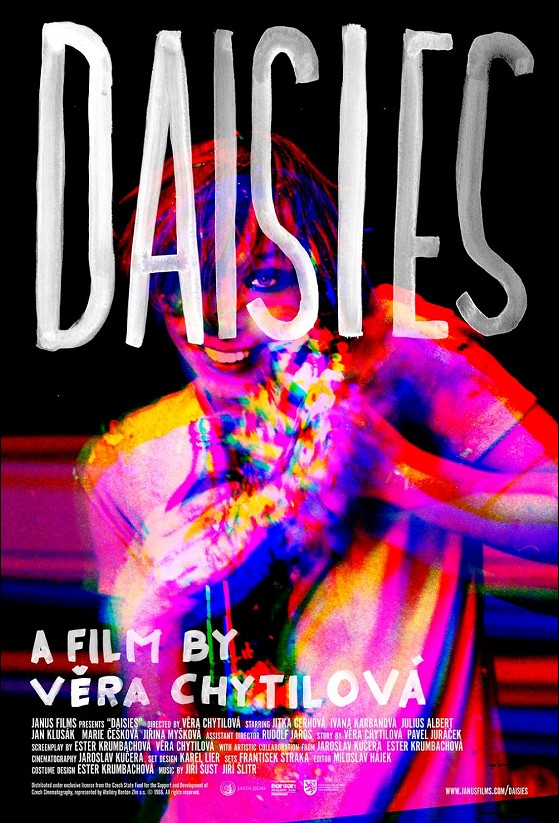
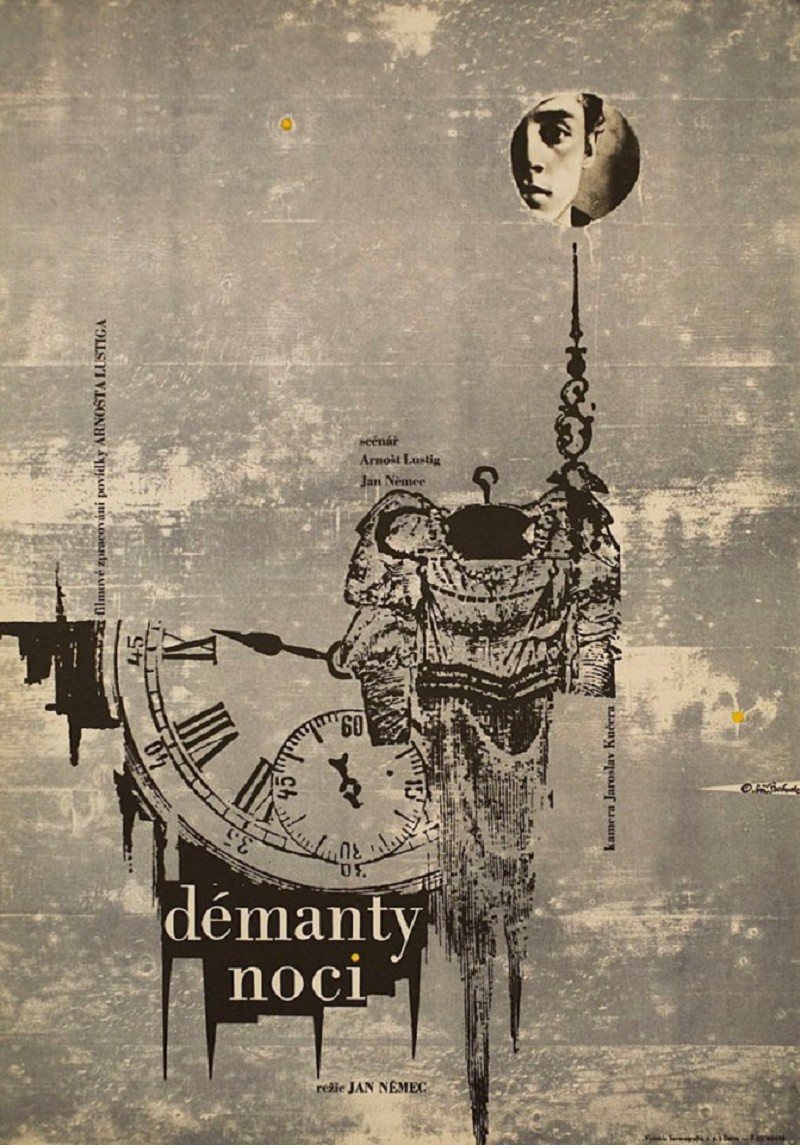
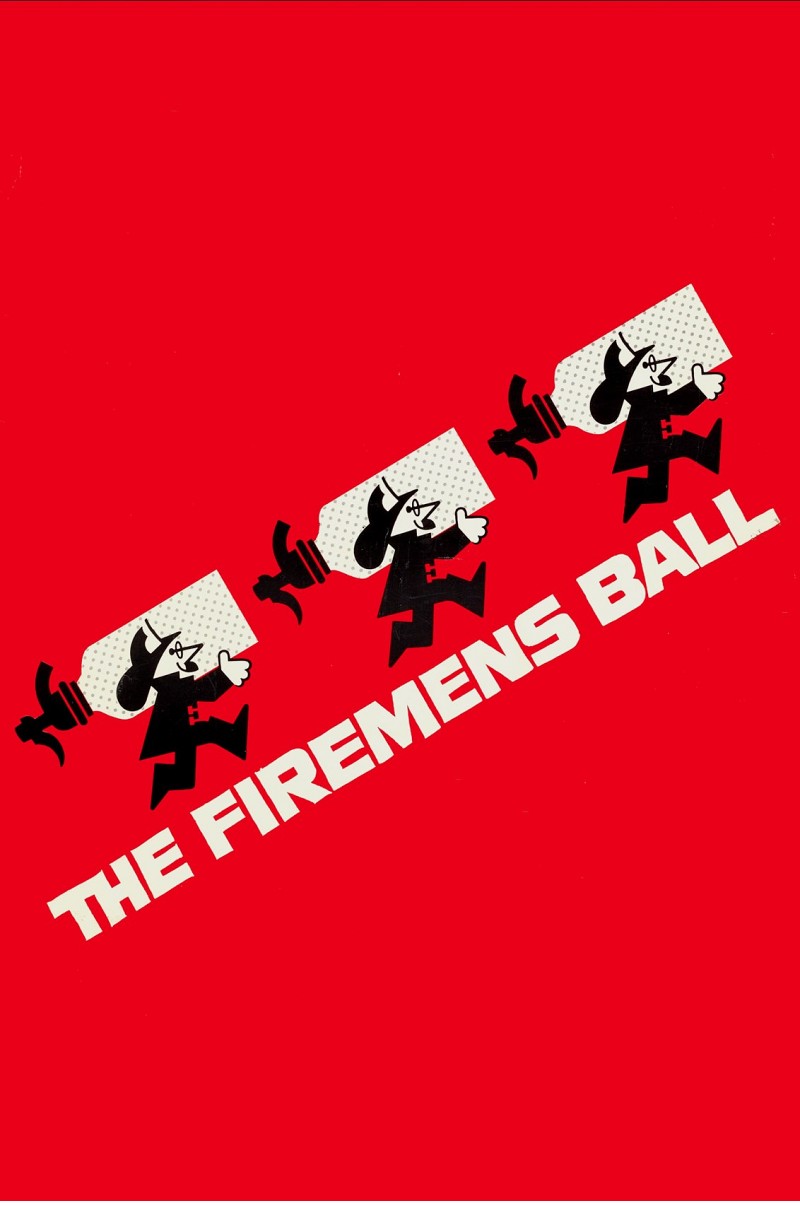
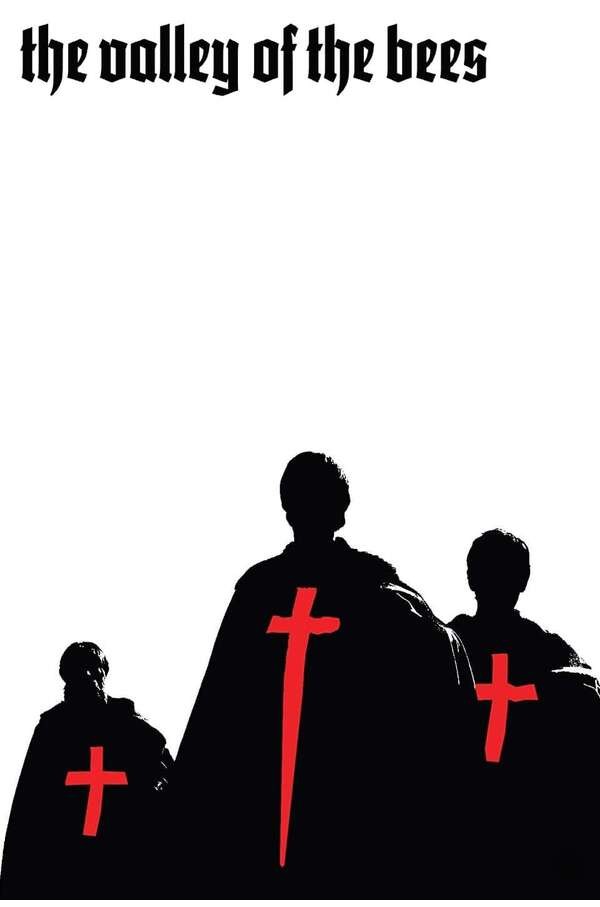
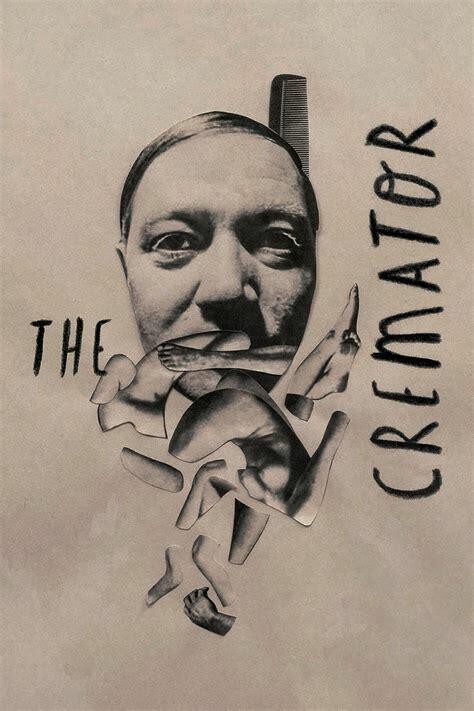
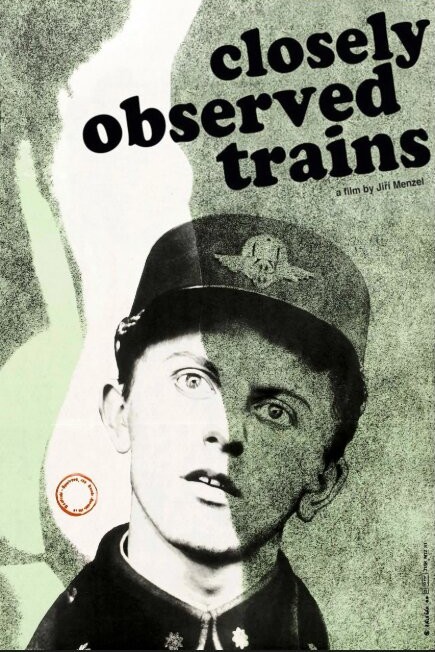
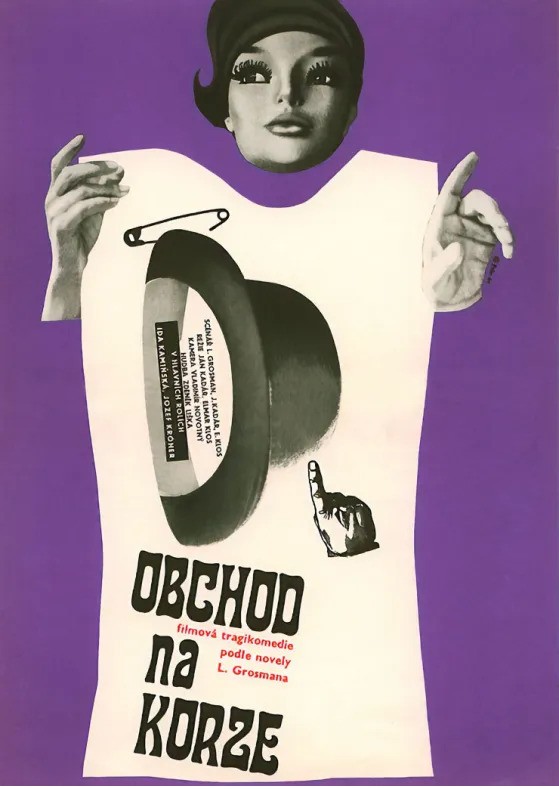
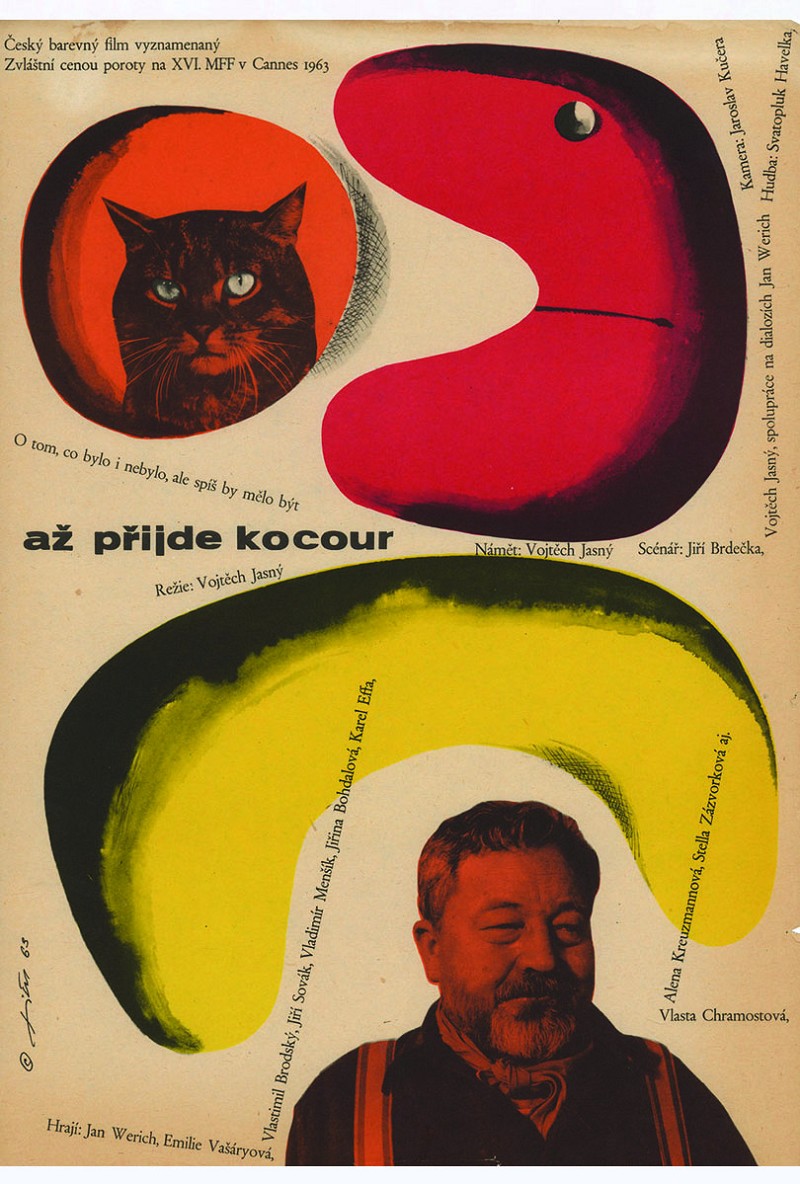
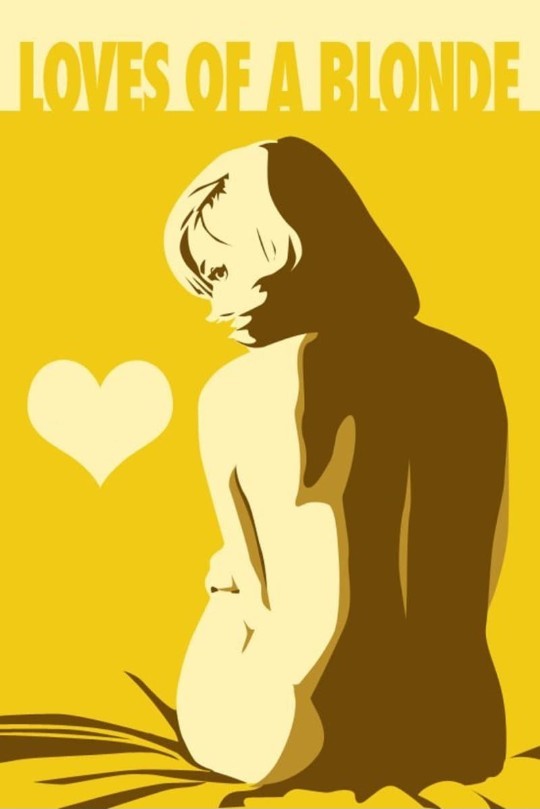
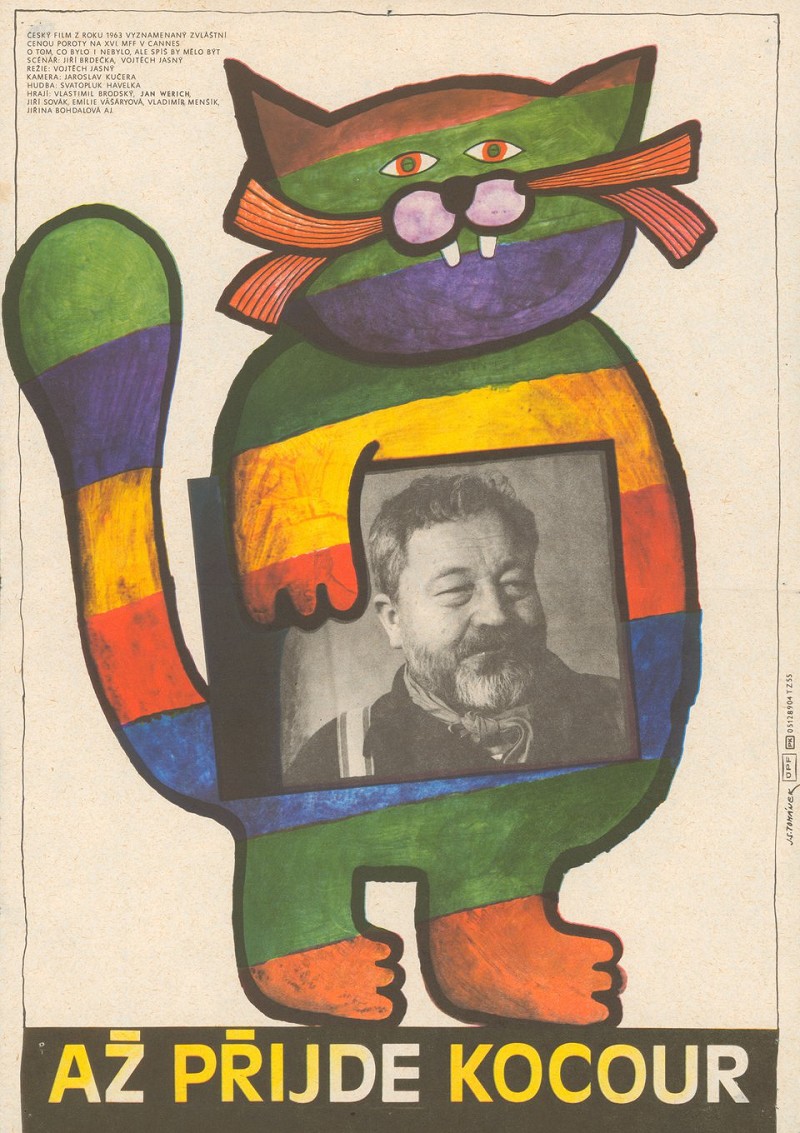
This comparatively close-knit band of collaborators took full advantage of the government-funded film industry to create astonishing historical epics such as František Vláčil’s Marketa Lazarová (1967) and The Valley of the Bees (1968), as well as responses to WWII and the Holocaust including Jan Němec’s harrowing and dreamlike Diamonds of the Night (1964) and Juraj Herz’ pitch black comedy nightmare The Cremator (1969). The lineage of Czechoslovak art that includes the work of authors Franz Kafka and new wave contemporary Bohumil Hrabal can be found in the great Miloš Forman’s early social satires A Blonde in Love (1965) and The Firemen’s Ball (1967). Forman’s closest friends and colleagues at FAMU included Jiří Menzel, who would win an Oscar for his 1966 adaptation of Hrabal’s Closely Observed Trains, and Věra Chytilová, whose Daisies (1966) is considered one of the great works of surrealist cinema. The new wave builds upon work by directors from the previous generation who exploited relaxed government censorship and followed loosening social attitudes in the early 60s to create the likes of the delightful (and cat-based) satire The Cassandra Cat (Vojtěch Jasný, 1963), and the devastating account of Nazi-occupation, The Shop on the High Street (Ján Kadár, Elmar Klos, 1965).
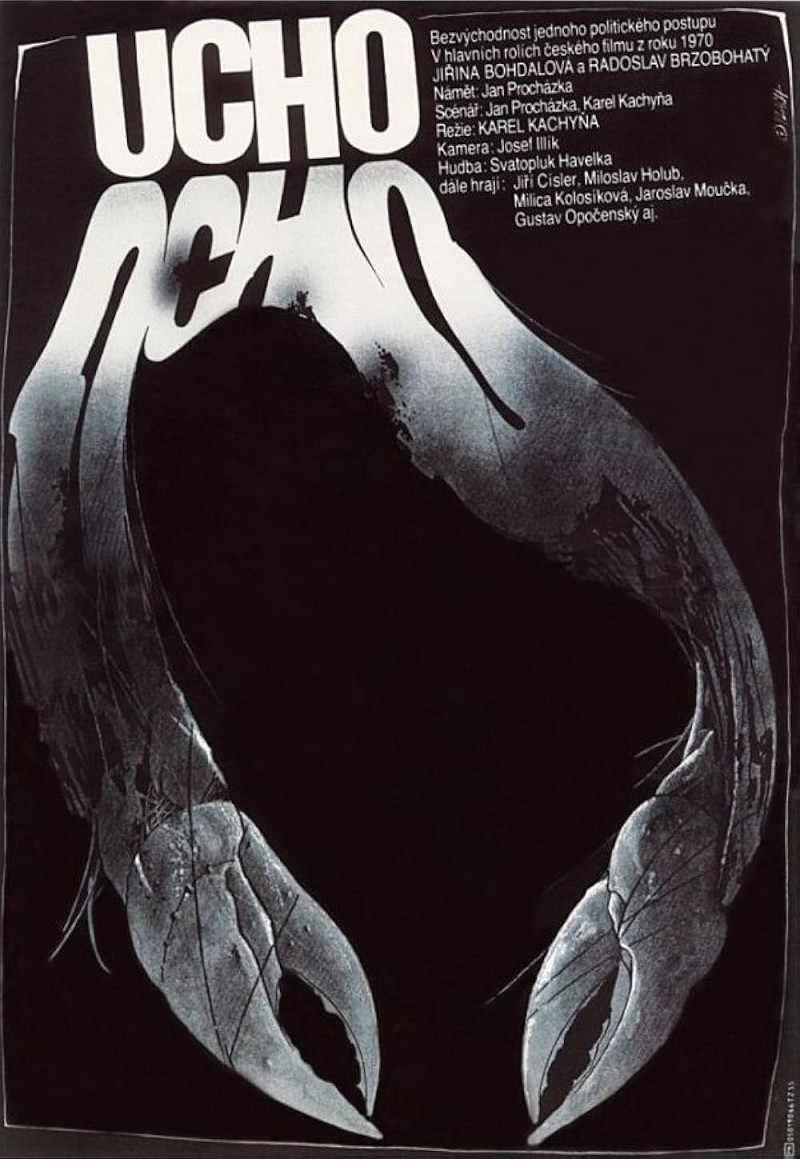
This era of increasing artistic expression and political boldness led, in part, to the conditions that gave rise to the Prague Spring in 1968. When this brief flourish of liberal democracy was brutally repressed by the Soviet Union and the Warsaw Pact countries, the New Wave was effectively finished. Those who did not leave for Western Europe and the USA found their work heavily censored and repressed. The final film in this season, the embittered marital tiff-cum-paranoid thriller The Ear (Karel Kachyňa, 1970) was immediately banned by the communist party and not screened until 1990.
Following the Czechoslovak New Wave season, the Made in Prague Festival will also present the UK premiere of Jaromil Jireš’ digitally restored and darkly surreal Valerie and Her Week of Wonders (1970). In November, the festival returns to The Garden Cinema with a selection of the best contemporary Czech cinema, bringing these extraordinary works from the 1960s into dialogue with Czech filmmaking today.
With special thanks to Second Run DVD, who provided many of the films in this season.