The Garden Cinema presents a selection of films from the last five decades that explore how Argentine society has grappled with the aftermath of the military coup of 1976.
That year, the country’s armed forces overthrew the democratically elected government and installed a dictatorship as part of the United States’ war on communism in Latin America. The military regime unleashed a ‘Dirty War’ during which 30,000 people were disappeared, thousands executed, and many more imprisoned or exiled. The dictatorship fractured civil society, and its downfall in 1983 ushered in neoliberal economic policies which exacerbated inequalities. In addition, the omertà (code of silence) that surrounded that period had long-lasting legal and psychological consequences. Yet, in the decades that followed, Argentine cinema re-emerged with extraordinary force, confronting the trauma of those years while opening new paths for the country’s cultural and democratic life.
To mark the 50th anniversary of the coup, The Garden Cinema will be screening a selection of classic award-winning titles and innovative documentaries which reflect how cinema has engaged with the shifting social landscape through the years.
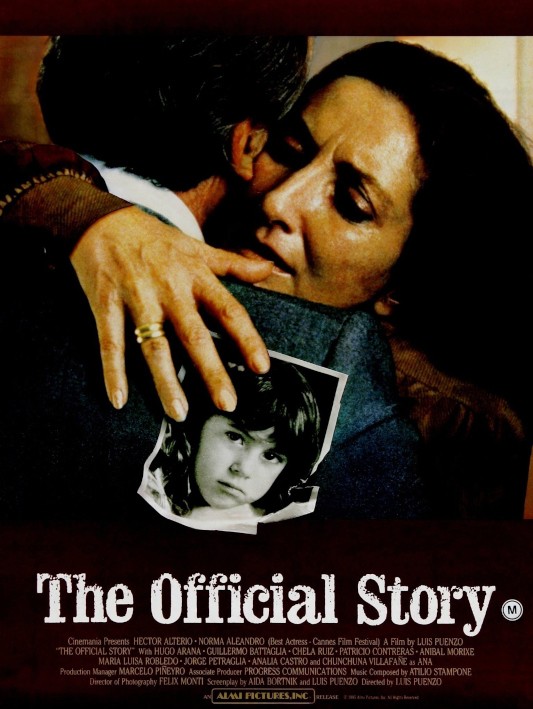
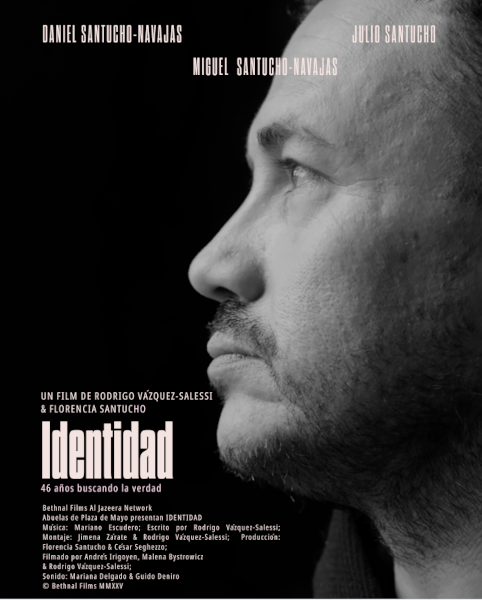
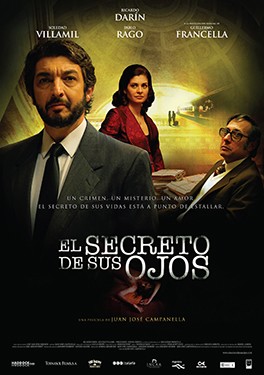
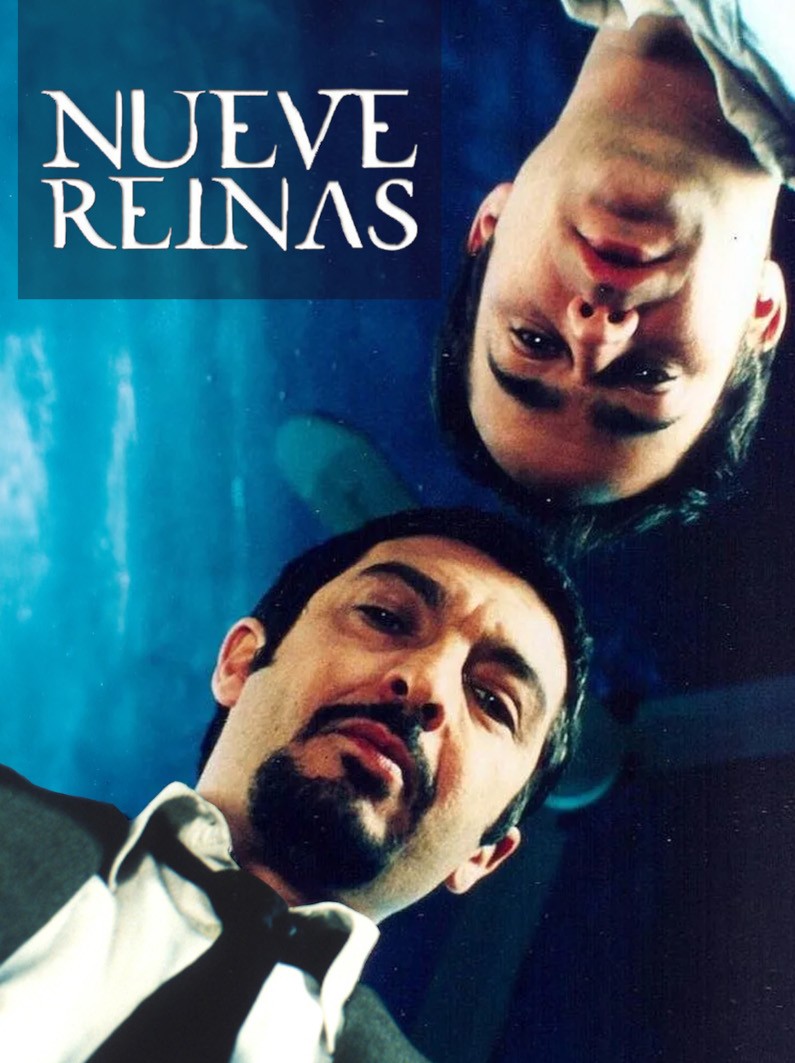
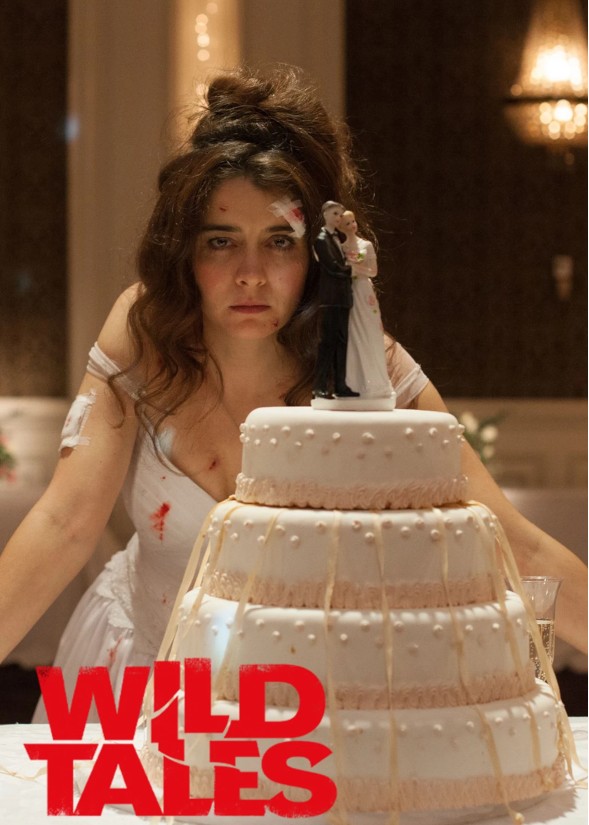
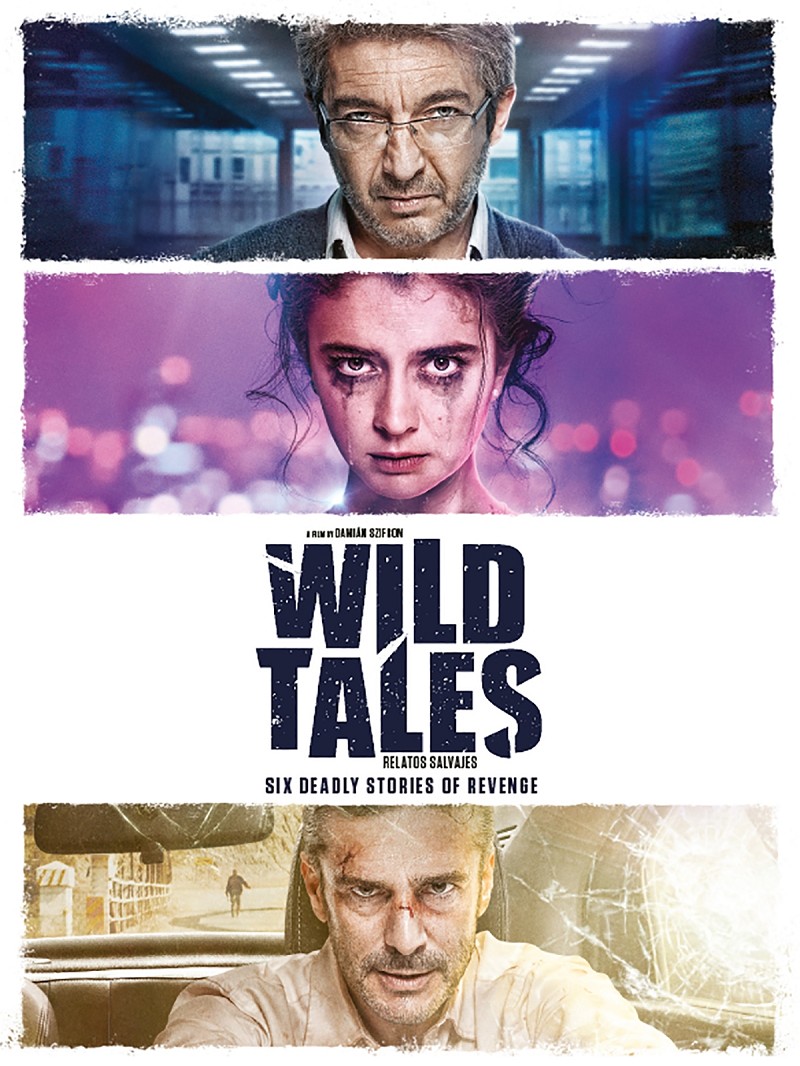
The season opens with Relatos salvajes (Wild Tales), a darkly comic anthology of individuals pushed to their limits within a broken system, featuring one of the country’s most celebrated actors, Ricardo Darín. Darín also stars in Nueve reinas (Nine Queens) and the Oscar-winning El secreto de sus ojos (The Secret in Their Eyes), both probing corruption, memory, and justice in the post-dictatorship era. Another Oscar winner, La historia oficial (The Official Story), addresses the fate of the disappeared, while recent festival hit Identidad (Identity) revisits this through documentary form.
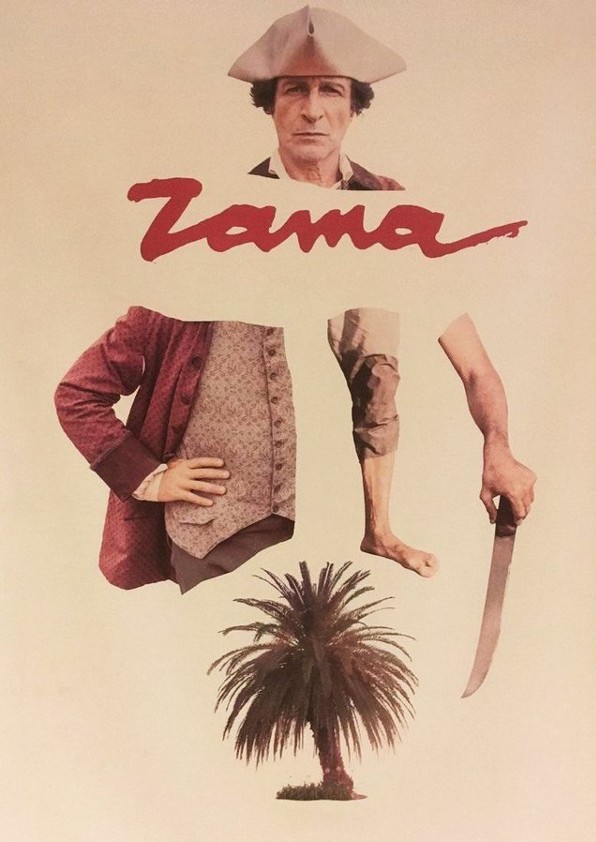
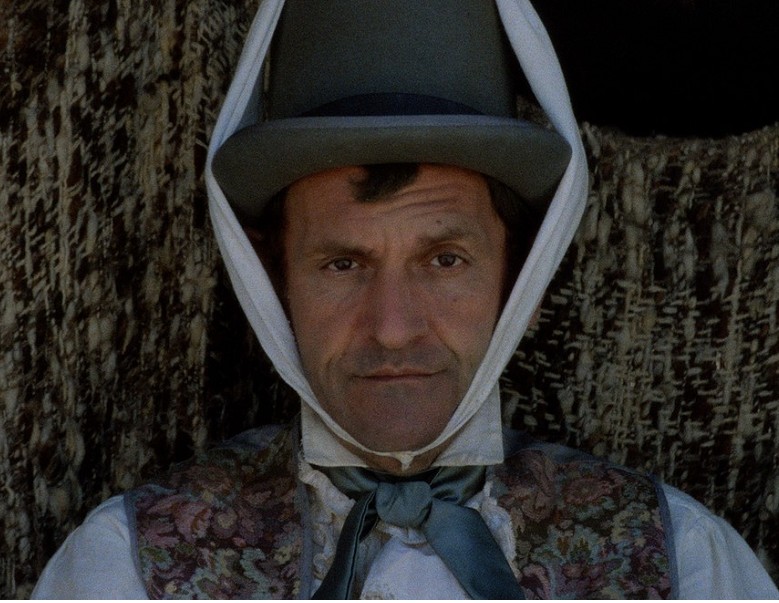
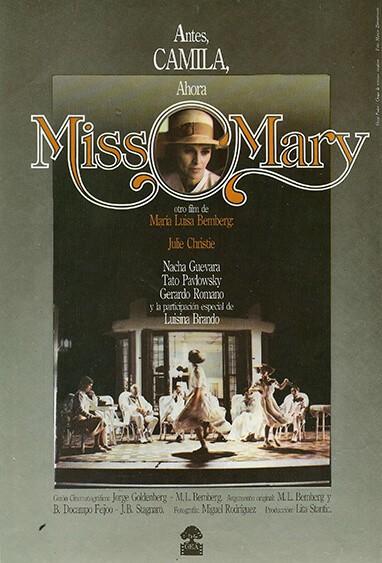
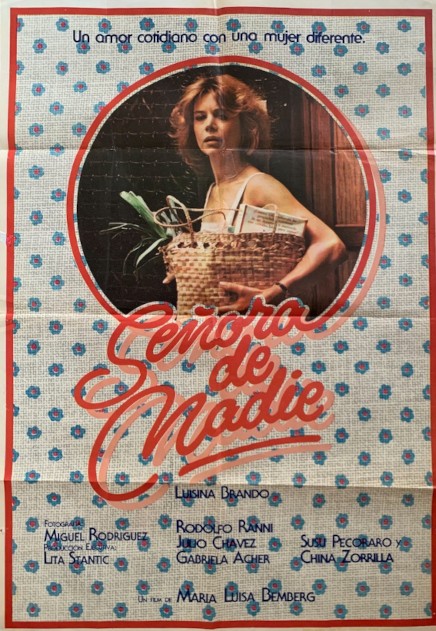
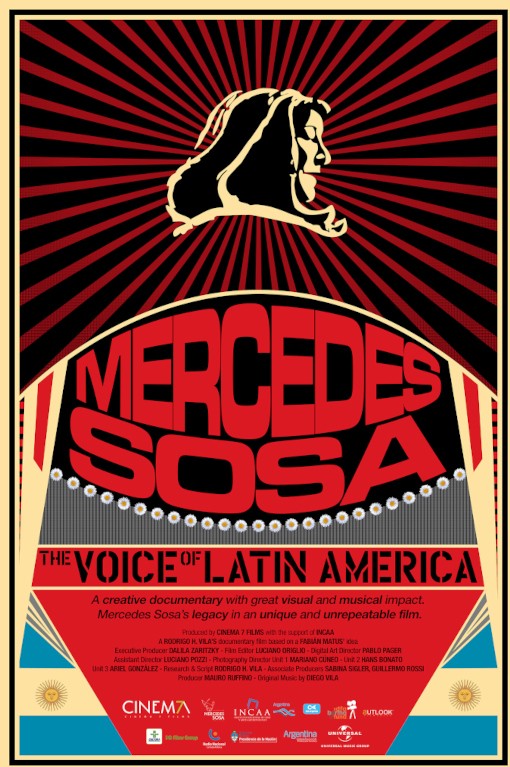
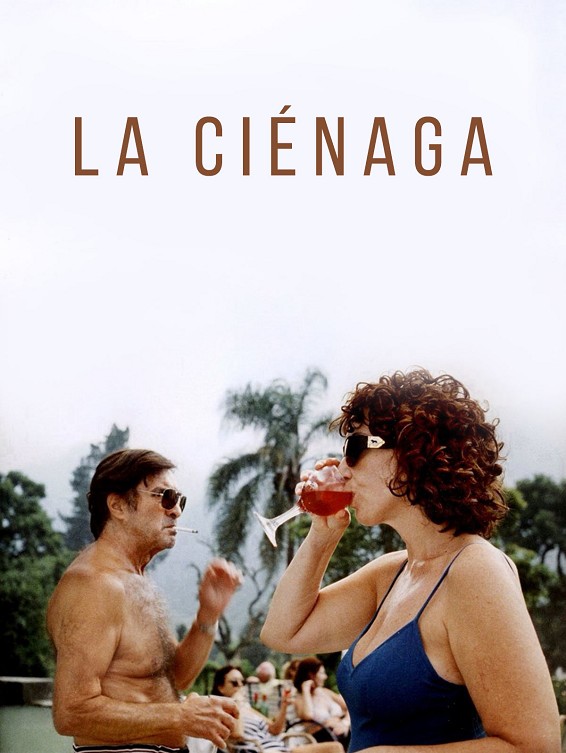
Our partner Cinema Mentiré presents María Luisa Bemberg’s Señora de nadie (Nobody’s Wife) and Miss Mary, newly restored works examining gender and power in their political context. The programme also considers broader historical connections. Carlos Sorín’s La película del rey (The King and His Movie) and Lucrecia Martel’s Zama explores the continuity of colonial legacies and contemporary structures of power, while Martel’s La ciénaga offers a study of social decay. A documentary on Mercedes Sosa — blacklisted and exiled during the dictatorship — completes the season.
Together, these films trace how Argentine cinema has reckoned with violence, memory, and accountability, and many of the screenings will be followed by Q&As with their directors or preceded by expert introductions offering further context.
The season was devised with the support of co-curator writer and academic Adam Feinstein, in collaboration with Alborada Films and Cinema Mentiré.