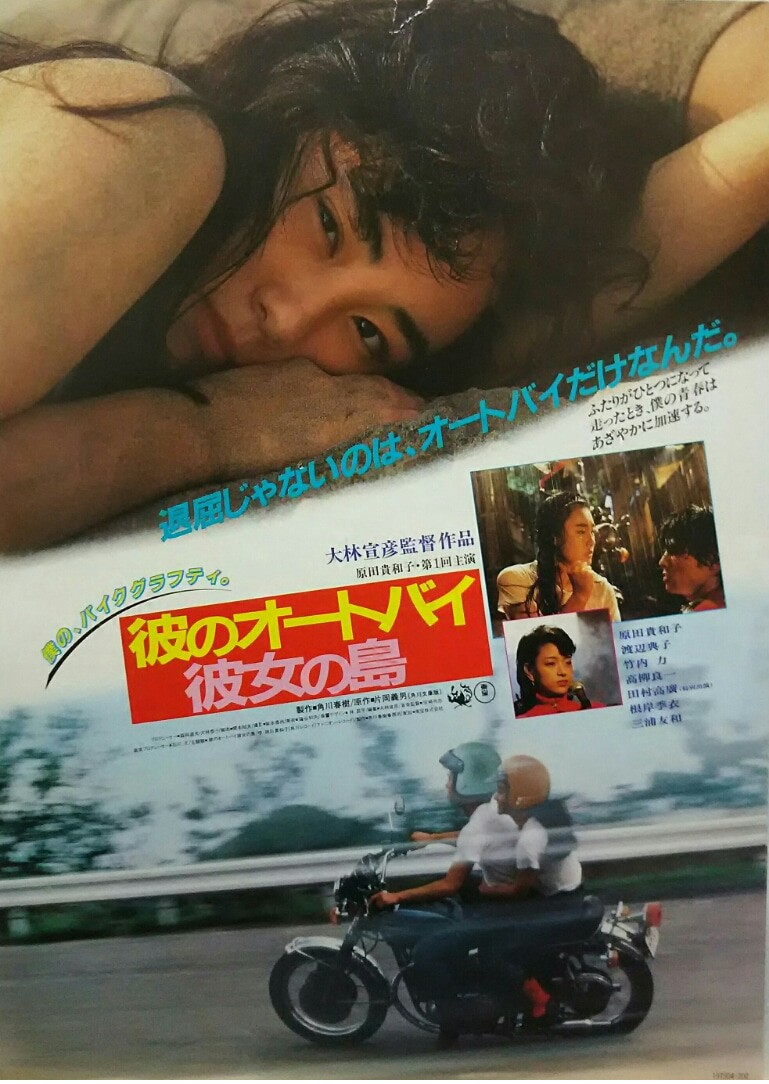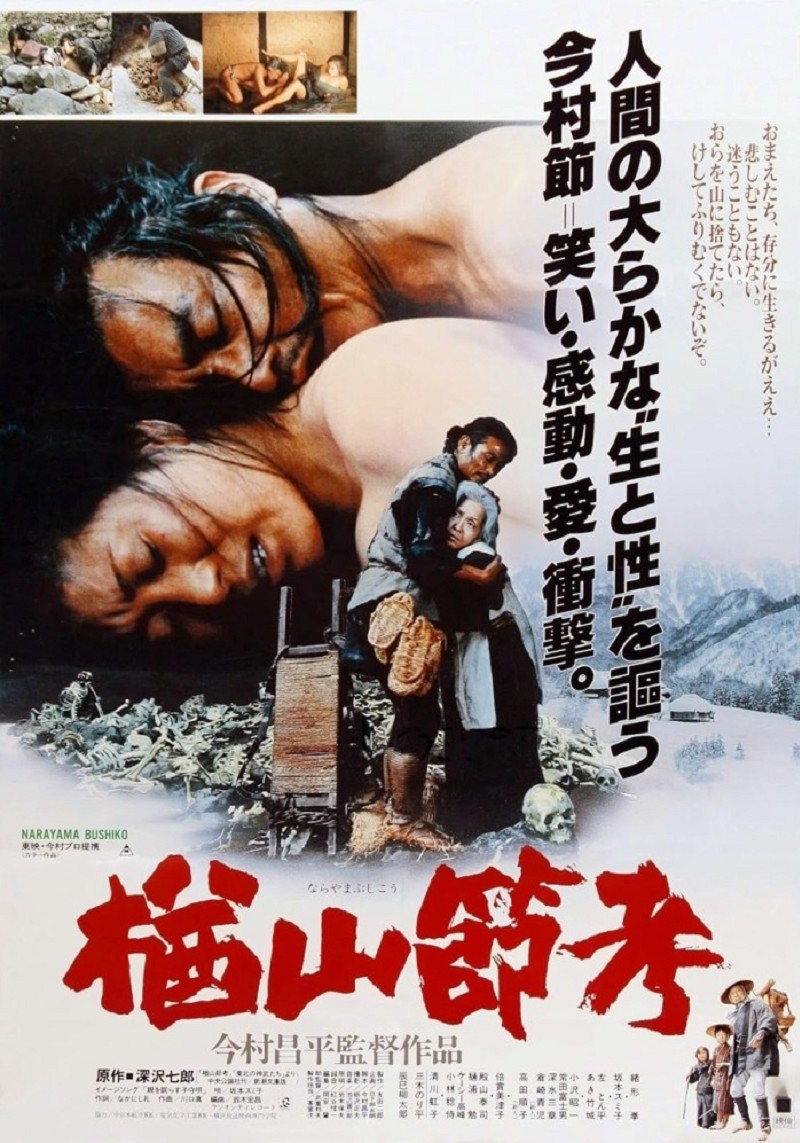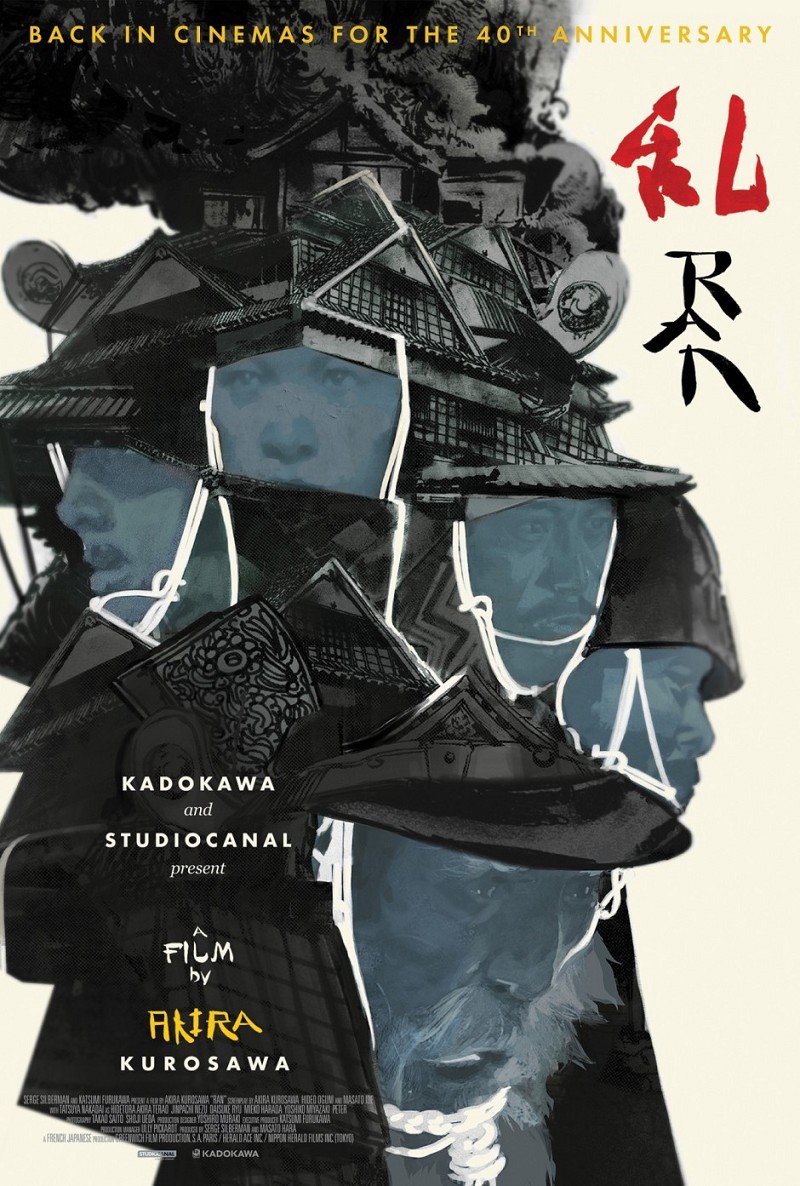
The 1980s were the zenith of Japan’s bubble economy, an era which saw the accumulation of vast wealth, alongside rapid technological and commercial growth. City centres sprouted neon-emblazoned shrines to multinational capitalism, built upon the most expensive real estate in the world. But whilst Sony and Nintendo came to dominate the home entertainment market domestically and in the West, Japanese cinema from this decade tells a different story…
From the 1960s onwards, the Japanese film industry had been fighting a losing battle against television. By the 1980s, the output of the previously dominant major studios was reduced to a fraction of the production heyday of the 1950s, now increasingly dependent on cheap genre films and established franchises to stay afloat. This situation became so dire that, despite the economic acceleration at the time, it has come to be known as ‘the lost decade of Japanese cinema’.
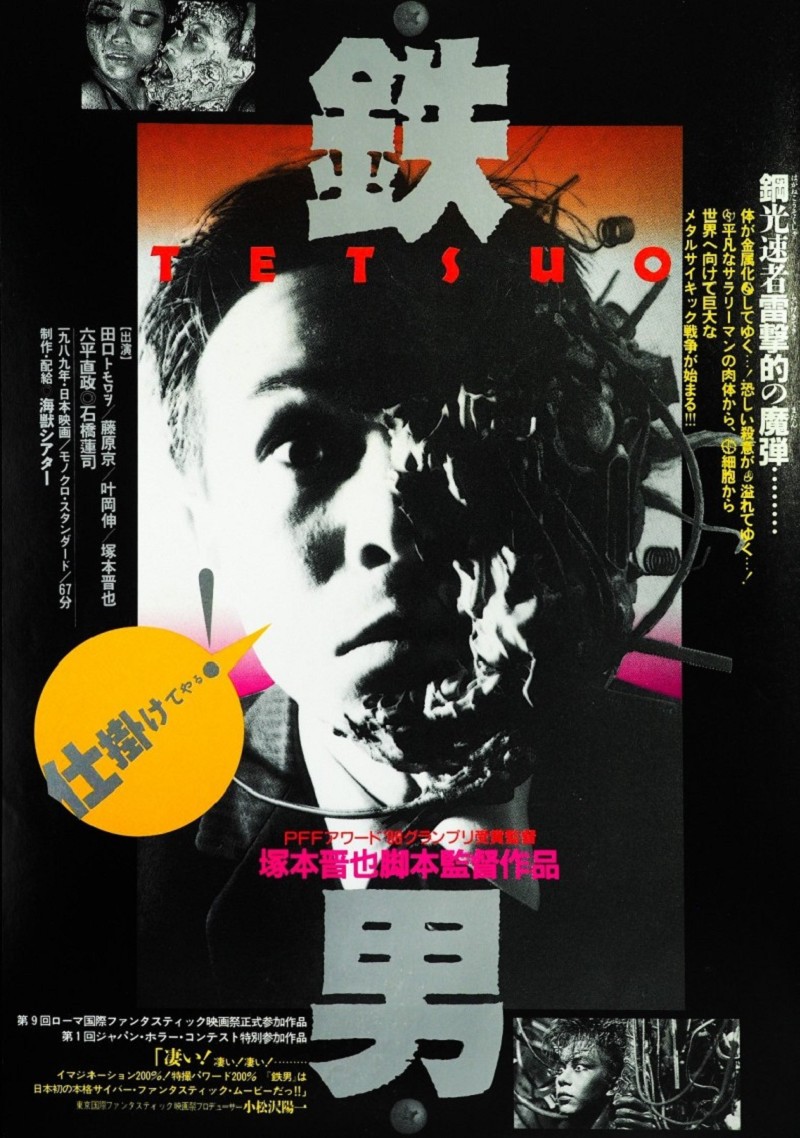
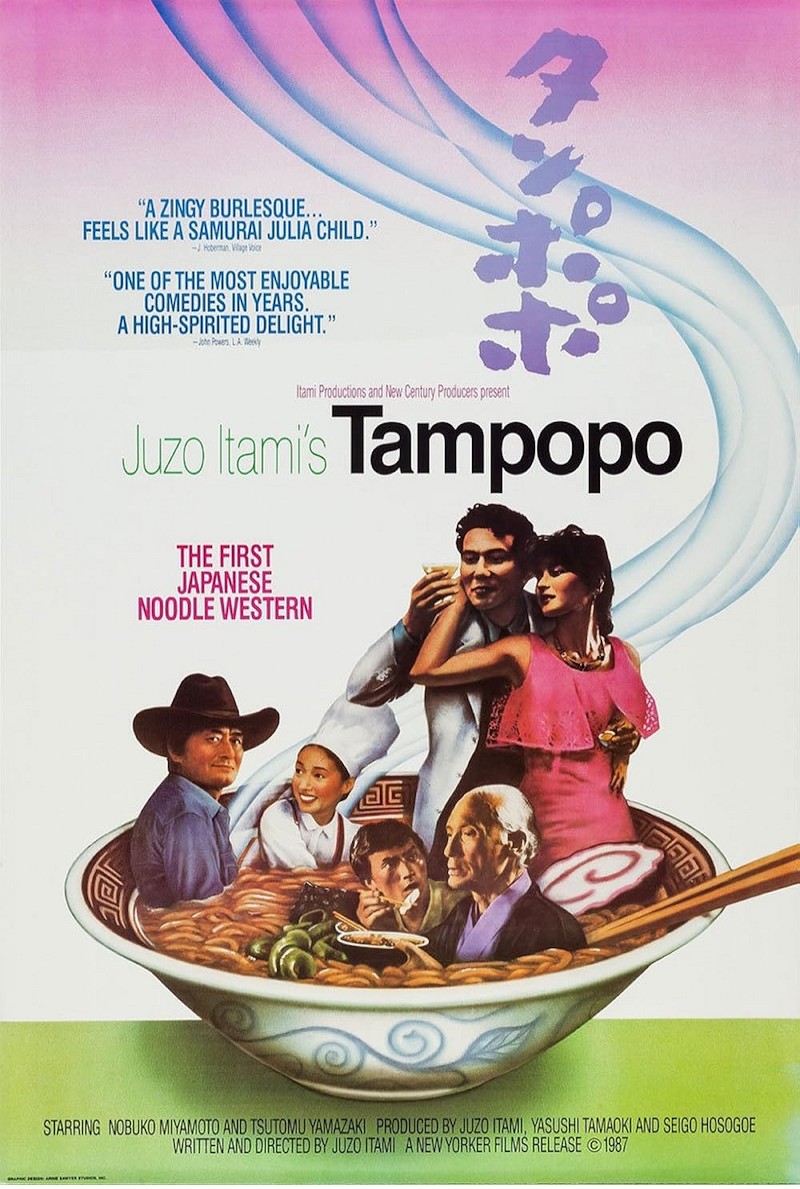
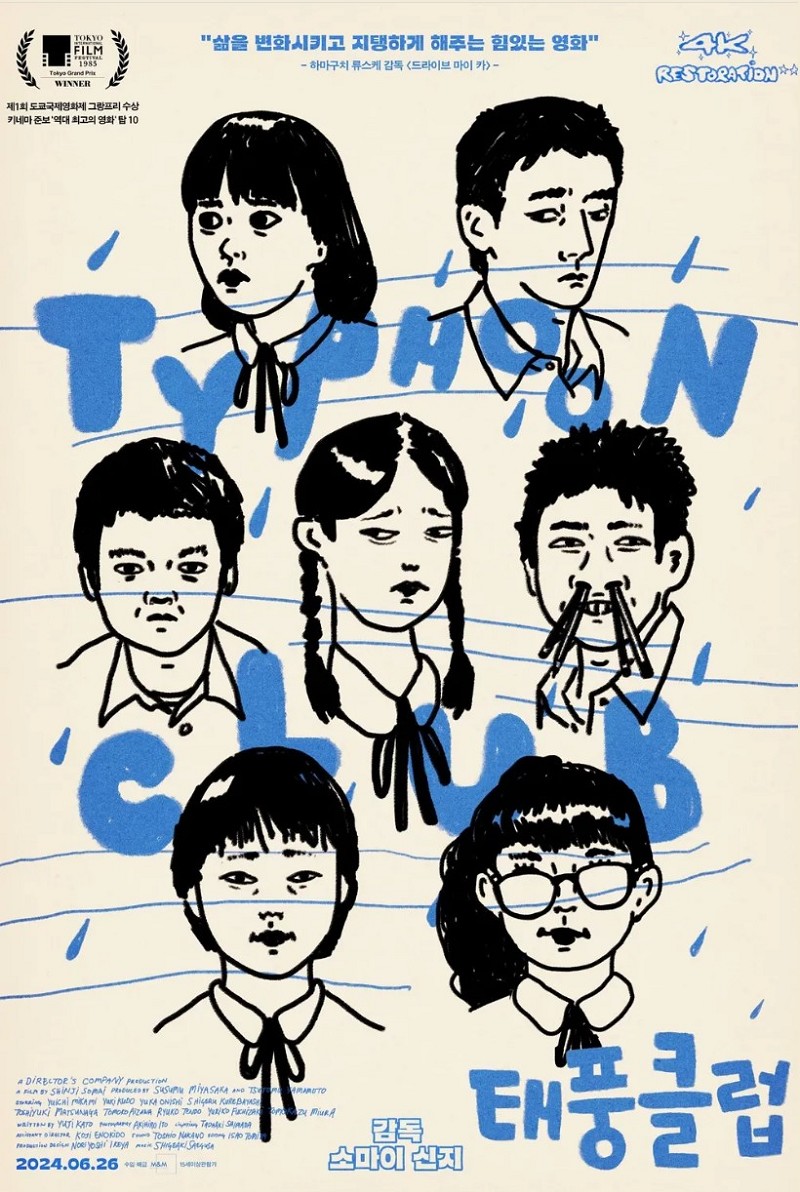
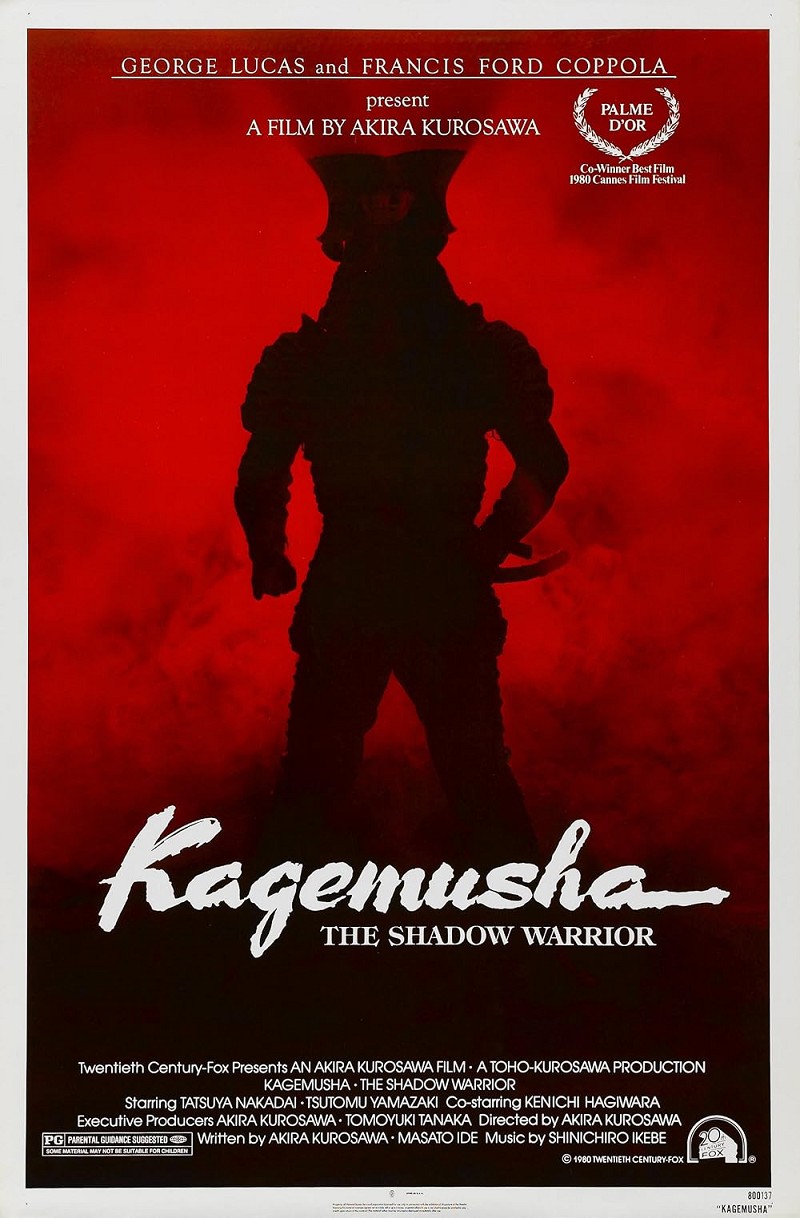
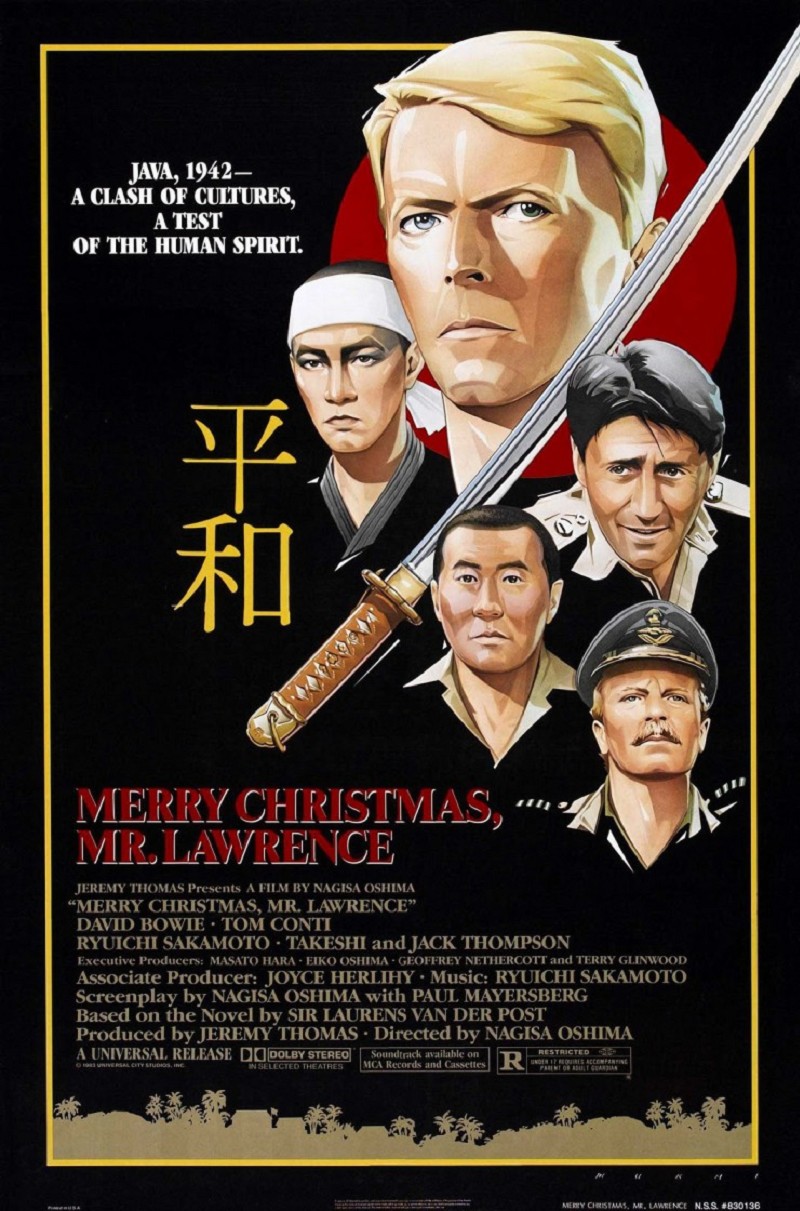
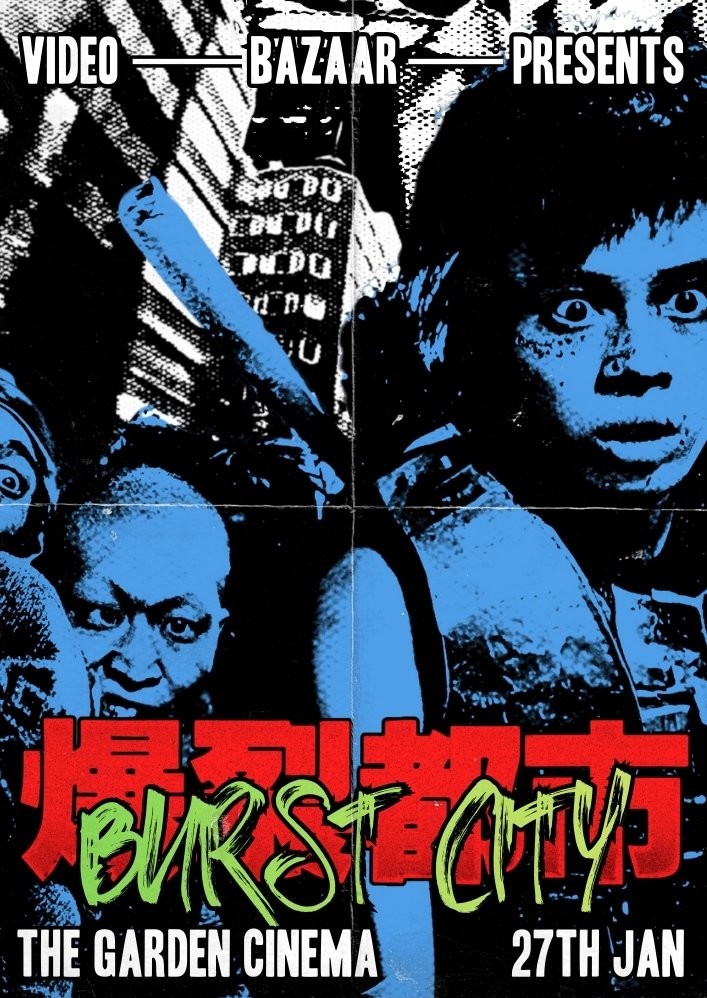
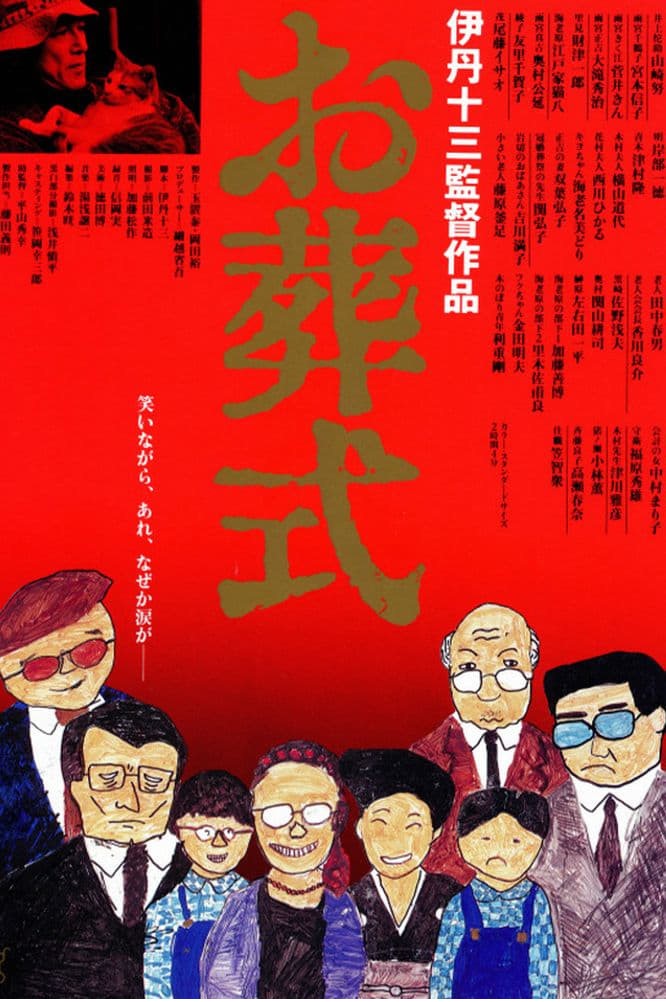
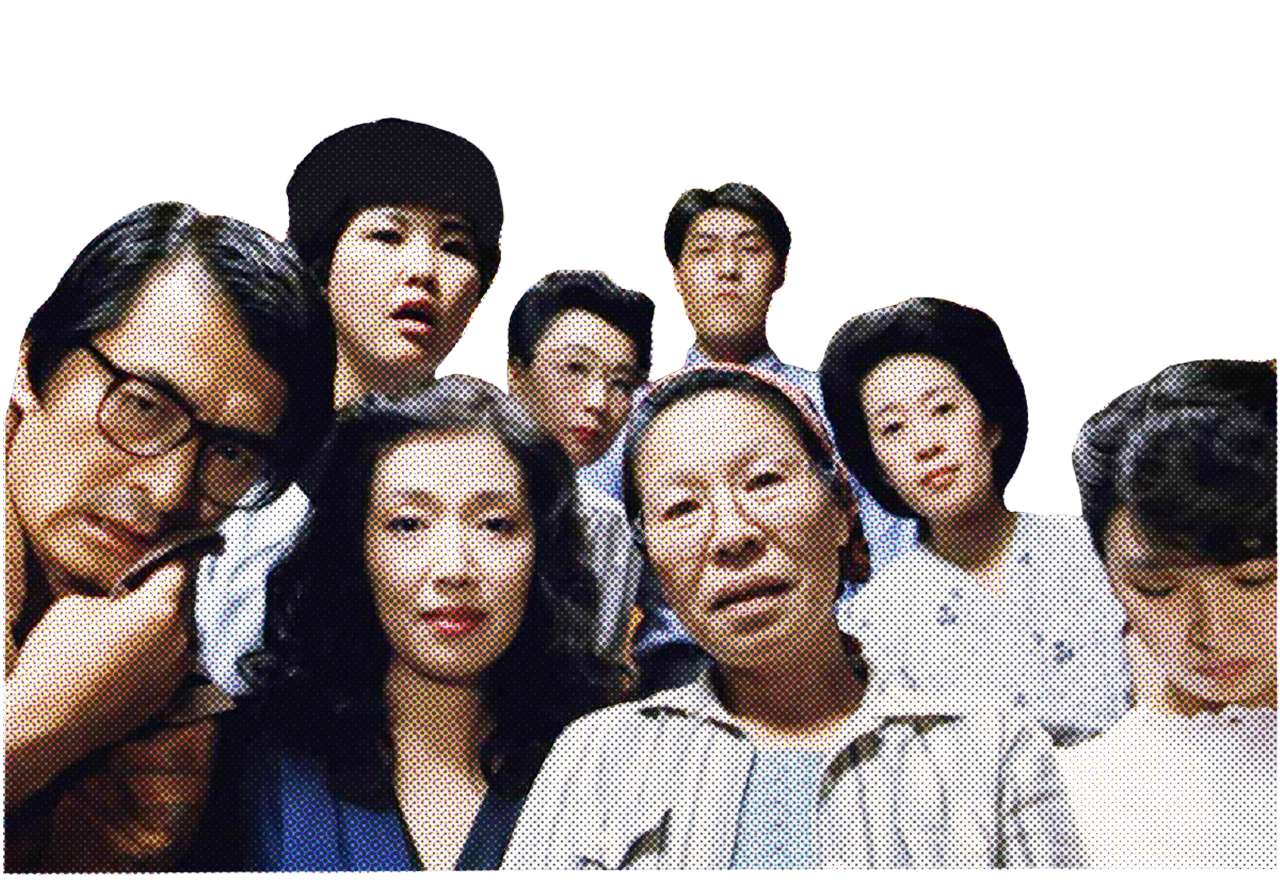
The collapse of the studio system allowed creativity to flourish at the margins. Independent production companies filled some of the space vacated by Toho, Shochiku, and the other giants. With them came new voices, no longer controlled by the strict and conservative studio policies and structures. The likes of Juzo Itami and Shinji Somai satirised the hypocrisy and materialism of family and working life, including in the former’s masterful debut, The Funeral, and the latter’s nihilistic classic, Typhoon Club. Meanwhile, previously established directors Akira Kurosawa and Nagisa Oshima both turned to overseas financing for late career masterpieces such as Kagemusha and Merry Christmas, Mr. Lawrence. Alongside these more respectable works, the transgressive films of Sogo Ishii and Shinya Tsukamoto flew the flag for new subcultures with the punk rock-inspired Burst City and the techno-horror of Tetsuo: The Iron Man. These apocalyptic depictions of societal collapse perhaps even foreshadowed the looming financial crisis of 1992 – a fiscal comedown that led to another lost decade: the economic depression of the 1990s, the effects of which are still felt today.